
You’ve probably heard the term spoon body type thrown around on Instagram, TikTok, or in plus-size fashion blogs. But what does it actually mean? And why does it matter-if at all-for how you dress, feel, or see yourself?
If you’ve ever looked in the mirror and thought, ‘Why do my hips stick out more than my shoulders?’ or ‘Why do jeans fit perfectly on my waist but bulge at my thighs?’-you’re not alone. And you might just be a spoon.
What Is a Spoon Body Type?
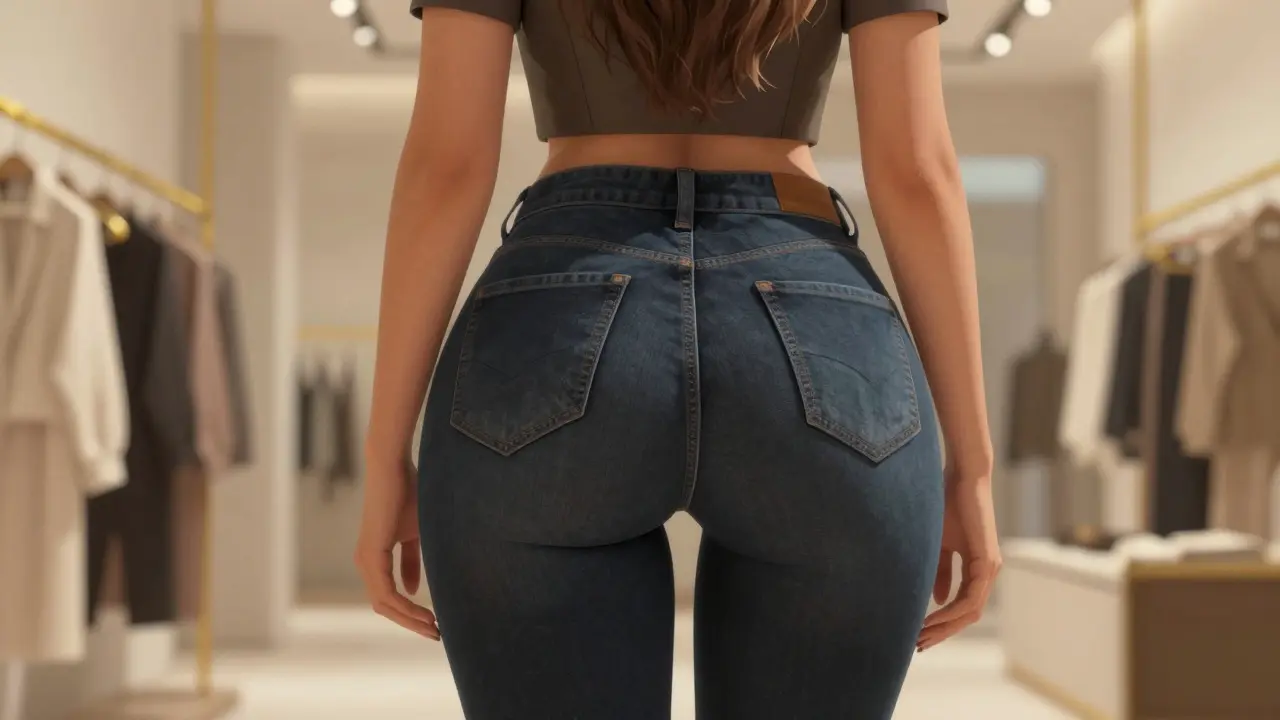
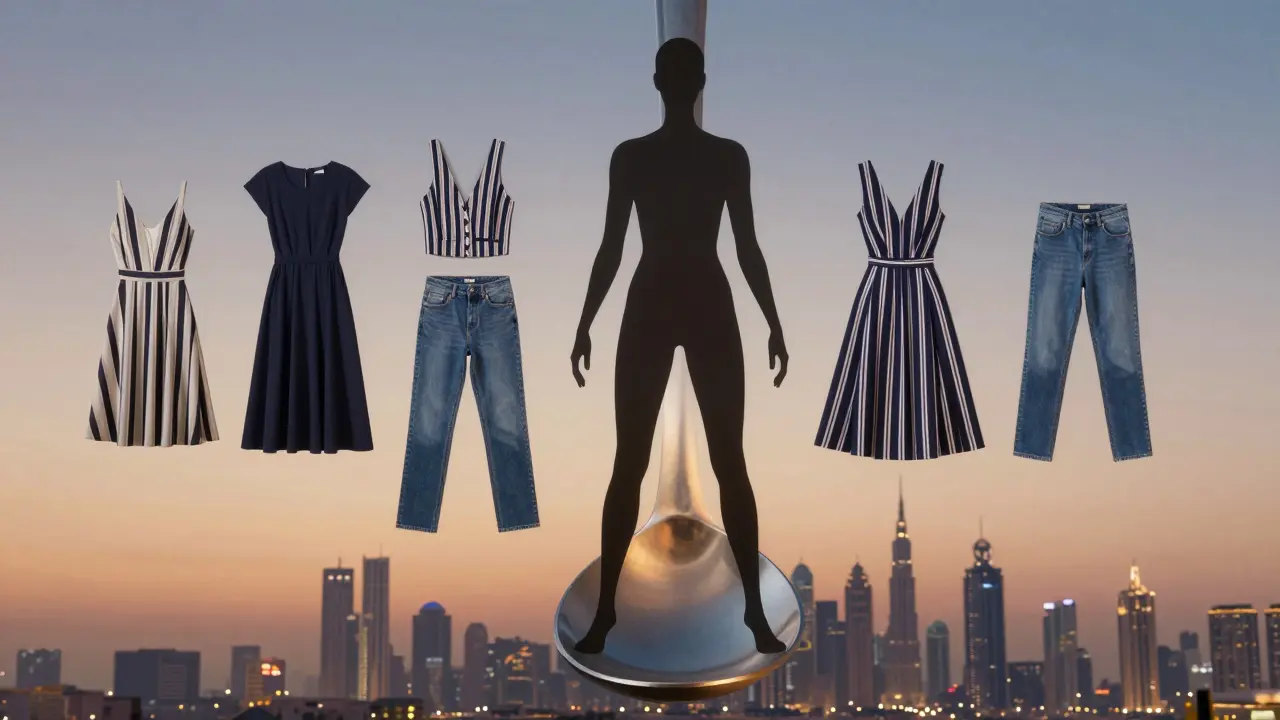
The spoon body type is a real, widely recognized shape in body diversity conversations. It’s a variation of the pear shape, but with a few key differences. Think of it like this: your upper body-your shoulders and chest-is narrower than your lower half. Your hips are wide, your thighs are full, and your waist is defined but not tiny. From behind, your silhouette looks like a spoon: narrow at the top, flaring out at the bottom.
This shape is super common among women, especially those who carry weight naturally in their hips, buttocks, and thighs. It’s not about being overweight-it’s about bone structure and fat distribution. Even women who are fit and active can have a spoon shape. It’s genetics, not lifestyle.
Unlike the classic pear shape, which can have a less-defined waist, the spoon body type often has a noticeable curve from waist to hip. That’s what makes it stand out. And yes, it’s beautiful. Just ask any plus-size model who rocks this shape on the runway.
Key Points About the Spoon Body Type
- Your shoulders are narrower than your hips
- Your waist is defined, but not tiny
- Hips and thighs carry most of your weight
- From behind, your body looks like a spoon
- You may struggle to find jeans that fit both waist and thighs
- You look great in A-line dresses, high-waisted pants, and structured tops
Why This Matters-Beyond Fashion
Understanding your body type isn’t about fitting into a box. It’s about working with your body, not against it. When you know you’re a spoon, you stop blaming yourself for not fitting into ‘straight-size’ clothing. You stop comparing yourself to hourglass models who have wider shoulders. You start making choices that actually make you feel confident.
Plus-size models like Ashley Graham, Lizzo, and Tess Holliday often have spoon shapes. They don’t try to hide their hips-they celebrate them. And that’s the real win: learning to see your shape as an asset, not a flaw.
Studies on body image show that women who understand their body type report higher self-esteem and less anxiety around clothing shopping. That’s not magic. That’s knowledge.
How to Dress for a Spoon Body Type
Once you know you’re a spoon, styling becomes way easier. Here’s what works:
- High-waisted pants and skirts-they hug your waist and skim over your hips without squeezing
- A-line dresses-they flare out from the waist, balancing your proportions
- Structured tops-with padding, ruffles, or details at the shoulders to add width
- Dark denim on the bottom-it slims the thighs while lighter tops draw attention upward
- Vertical stripes-they elongate your frame and create balance
Avoid tight leggings that cling to your thighs, or tops that end right at your hip line-that’s the worst spot for a spoon shape. It cuts you off at the widest part.
Spoon vs. Pear: What’s the Difference?
People mix these up all the time. Here’s the real breakdown:
| Feature | Spoon Body Type | Pear Body Type |
|---|---|---|
| Waist definition | Clearly defined, often with a slight curve | Less defined; may blend into hips |
| Hip width | Very wide, often the widest part of the body | Wide, but not always dramatically so |
| Thigh size | Full and rounded | Full, but sometimes less pronounced |
| Shoulder width | Narrower than hips | Narrower than hips |
| Back view | Looks like a spoon-narrow at top, wide at bottom | Looks like a pear-rounded bottom, tapered top |
| Best styling tip | Add volume to shoulders | Balance with fitted tops |
The biggest difference? The waist. A spoon has a more noticeable waist curve. A pear often looks like a triangle from the side-with no real waistline. That small detail changes everything when choosing clothes.
Where to Find Clothes That Fit a Spoon Shape in Dubai
Dubai has become a hub for inclusive fashion. You don’t have to order from overseas anymore. Here are local spots that actually design for spoon shapes:
- Modanisa (online, with UAE delivery)-offers high-waisted trousers and modest A-line dresses in extended sizes
- Al Fardan Boutique (Mall of the Emirates)-has a curated plus-size section with structured silhouettes
- Shein UAE-search for ‘high waisted wide leg’ or ‘curvy fit’-they’ve improved sizing dramatically
- Body Positive Dubai (pop-up shops)-local designers who make clothes specifically for spoon and pear shapes
- Urban Outfitters Dubai Mall-look for their ‘Curvy’ line, which has great denim options
Pro tip: Always check the model’s measurements in product photos. If the model has wide hips and a narrow waist, that’s your body type. Don’t assume ‘size 16’ means it’ll fit you-check the actual bust, waist, and hip measurements listed.
What to Expect When Shopping for Spoon Body Clothes
Shopping can still feel overwhelming, even when you know your shape. Here’s what to expect:
- You’ll try on 5 pairs of jeans before finding the one that doesn’t gap at the waist or pinch at the thighs
- Sales staff might not know how to help-don’t be afraid to say, ‘I need something that fits my hips without being tight on my waist’
- Alterations are your friend. A good tailor can take in the waist and let out the hips for under 100 AED
- You’ll start noticing how clothes fit other women-and realize most don’t fit their bodies well either
- You’ll feel more confident just walking into a store, because you know what to look for
Common Mistakes Spoon-Shaped Women Make
Even when you know your shape, old habits die hard. Here’s what to avoid:
- Wearing low-rise pants-they cut you off at the hip and make your legs look shorter
- Choosing baggy tops-they hide your waist, which is your best feature
- Ignoring shoulder details-strapless tops or thin straps make your upper body look smaller by comparison
- Buying clothes based on size, not fit-size 18 doesn’t mean the same thing everywhere
- Thinking you need to ‘tone down’ your hips-your shape isn’t something to hide. It’s your signature
Frequently Asked Questions
Is a spoon body type the same as a pear shape?
No. A spoon shape has a clearly defined waist that curves into wide hips, while a pear shape often has a less defined waistline and more gradual transition from torso to hips. Spoon shapes tend to have more pronounced hip and thigh volume, making the silhouette look like a spoon from behind.
Can you change your spoon body type?
You can’t change your bone structure or where your body naturally stores fat. But you can build muscle in your upper body to create better balance-think shoulder workouts, light resistance training, or even yoga. The goal isn’t to become an hourglass. It’s to feel strong and confident in the shape you already have.
Are spoon body types only found in plus-size women?
No. Spoon shapes exist at every size. You can be a size 4 and still have narrow shoulders and wide hips. The term ‘spoon’ describes shape, not weight. Many straight-size models have this shape-it’s just less visible in mainstream media.
Why do jeans never fit right?
Most jeans are designed for an hourglass or straight shape. They’re cut to fit a waist that’s close to hip size. If your hips are significantly wider than your waist, you’ll either gap at the waist or bulge at the thighs. Look for jeans labeled ‘curvy fit,’ ‘high rise,’ or ‘hip and thigh room’-those are made for spoon shapes.
Do I need to wear shapewear?
No. Shapewear isn’t a requirement-it’s a choice. If you feel more confident in it, wear it. But you don’t need it to look good. Many spoon-shaped women look stunning in clothes that fit their natural shape, with no compression at all. Your body doesn’t need fixing. It needs fitting.
Final Thought: Your Shape Is Your Strength
The spoon body type isn’t a flaw to fix. It’s a style statement. It’s the reason you look amazing in wrap dresses. It’s why you turn heads when you walk into a room. It’s why plus-size models with this shape dominate fashion campaigns-not because they changed their bodies, but because they owned them.
Next time you’re shopping, skip the sizes. Skip the numbers. Look for how the fabric drapes. Look for how the cut flows. Look for how it makes you feel.
You’re not trying to fit into a trend. You’re creating your own.