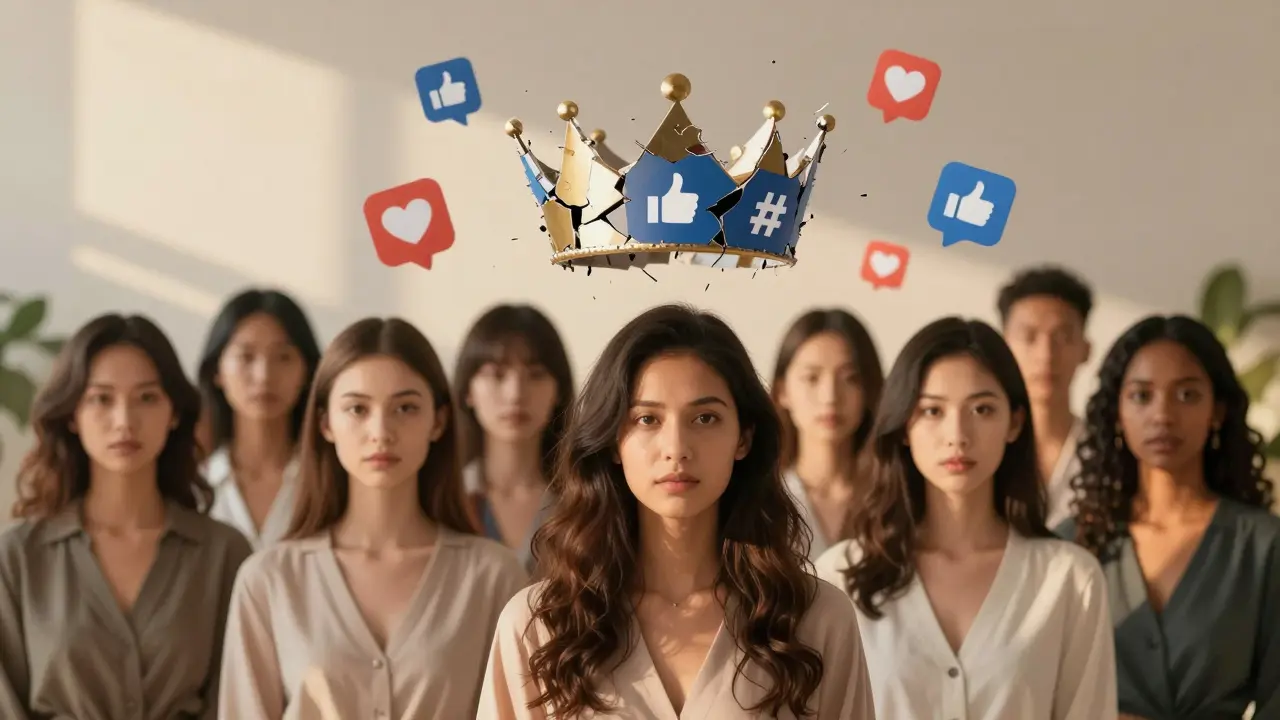
You’ve seen the lists. The clickbait headlines. The Instagram posts with captions like "#1 is UNREAL" or "She stole the internet in 2026". But here’s the thing-there’s no official global ranking for the "prettiest girl in the world." No committee, no ballot, no science behind it. Just algorithms, trends, and a lot of marketing.
There’s no real "top 10 prettiest girl" list
Let’s cut through the noise: no organization, magazine, or government gives out an official crown for "prettiest girl in the world." Websites that claim to rank them? They’re usually aggregating votes from fans, selling ads, or promoting influencers. Some are even AI-generated lists pulled from trending hashtags. The truth? Beauty isn’t a leaderboard.
Think about it-would you really trust a list where one person wins because they got 2 million likes on a bikini photo, while another, equally stunning woman with a quieter presence doesn’t even make the cut? That’s not beauty. That’s visibility.
Why do these lists even exist?
Because they work. Clicks. Shares. Ad revenue. The model industry thrives on images, and those images get amplified when they’re framed as "the most beautiful." Brands use these lists to push products. Media outlets use them to keep you scrolling. And honestly? We keep clicking because we’re wired to wonder: "Is she really that beautiful?"
But here’s what no one tells you: the "prettiest" women on these lists often aren’t chosen for their looks alone. They’re chosen for their marketability. Facial symmetry? Sure. But also: skin tone that fits Western beauty norms, body type that aligns with runway trends, language skills, social media following, and sometimes even connections to agencies in Milan or Paris.
Who actually shows up on these lists-and why?
If you look at the names that pop up year after year on "top 10 prettiest" lists, you’ll notice a pattern. Names like Zendaya, Hailey Bieber, Anya Taylor-Joy, Emma Stone, Charli D’Amelio, Yasmin Wijnaldum, Adriana Lima, Barbara Palvin, Camila Cabello, and Li Yifan appear often. Why? Not because they’re objectively more beautiful than others, but because they’re globally visible.
Zendaya isn’t just pretty-she’s a fashion icon, an Emmy winner, and has over 180 million followers. Hailey Bieber? She’s married to a global superstar, runs her own beauty brand, and gets invited to every major fashion week. These women aren’t just "pretty." They’re brands. And brands get featured.
Meanwhile, countless stunning women from Nigeria, Indonesia, Bolivia, or rural India never make these lists-not because they’re less beautiful, but because they don’t have the same access to global media, agencies, or social media algorithms.
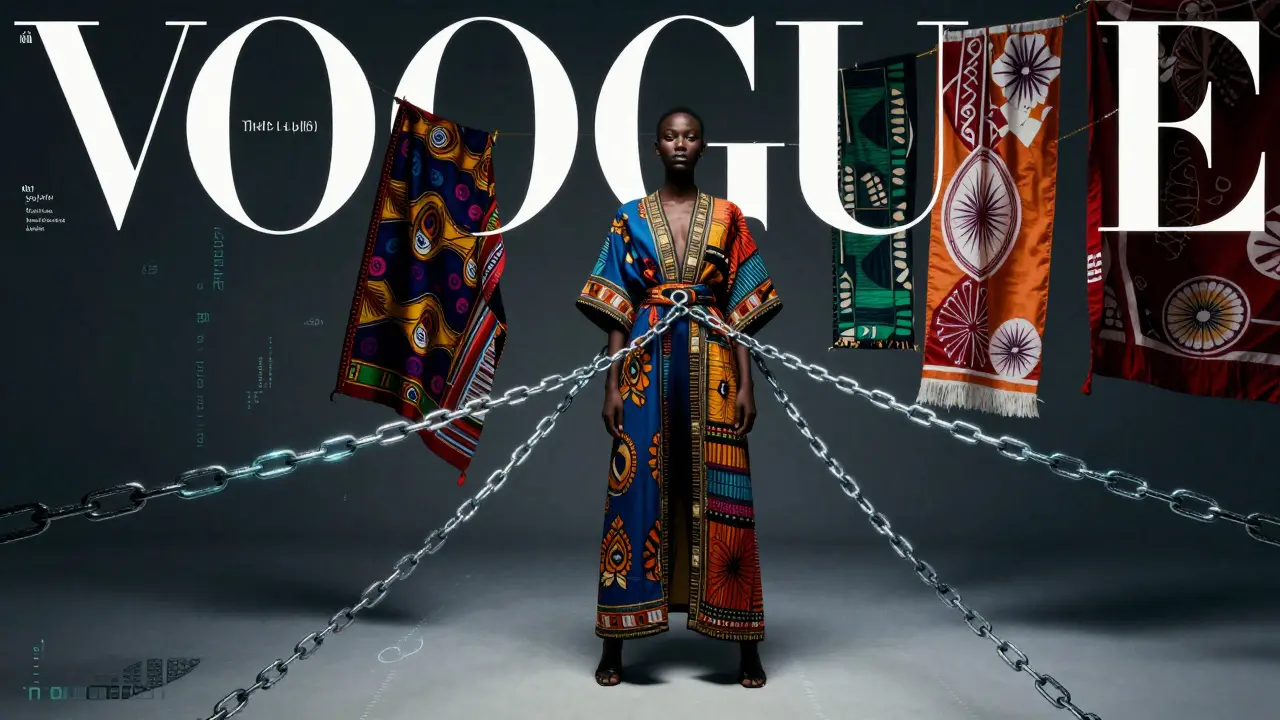
Beauty isn’t universal-it’s cultural
What’s considered "prettiest" in Dubai might not be the same in Tokyo, Lagos, or Rio. In some cultures, fuller figures are celebrated. In others, pale skin or high cheekbones are prized. In parts of Southeast Asia, delicate features and porcelain skin are idealized. In West Africa, bold features and dark skin are the standard of beauty.
The "top 10" lists you see? They’re almost always shaped by Western media standards-thin waist, long hair, light eyes, symmetrical face. That’s not a global truth. That’s a narrow lens.
And yet, we’re told these are the "best." It’s like saying only one type of music is "the best" because it’s played most often on global radio.
What’s really behind the "prettiest girl" myth?
Behind every "#1 prettiest girl" headline is a machine. A modeling agency that signs her. A photographer who lights her just right. A makeup artist who enhances her features. A social media manager who posts at 8 PM GMT when engagement peaks. A PR team that pitches her to magazines.
It’s not magic. It’s strategy.
Take Yasmin Wijnaldum. She’s a Dutch model who walked for Chanel and Dior. Is she beautiful? Absolutely. But she didn’t become "one of the prettiest" just because she woke up that way. She trained, she networked, she showed up consistently, and she was in the right place at the right time.
Same goes for Anya Taylor-Joy-she didn’t get cast in "The Queen’s Gambit" because she looked like a model. She got cast because she’s a brilliant actress who also happens to have a unique look. The "prettiest" label came after the success.
Real beauty doesn’t need a ranking
Some of the most captivating women in the world aren’t on any list. They’re the grandmother who laughs so hard her eyes disappear. The single mom who walks three miles to work every day with a smile. The artist who paints murals on crumbling walls in Mumbai. The engineer who speaks five languages and fixes robots for fun.
Beauty isn’t a photo. It’s presence. It’s confidence. It’s kindness. It’s resilience.
When you stop chasing rankings, you start seeing real beauty everywhere-in the street, in your office, in your family.

So who should you look up to?
Forget the "top 10." Look for women who are shaping the conversation. Women like Adwoa Aboah, who speaks openly about mental health in fashion. Yara Shahidi, who uses her platform to push for education and equity. Yasmin Khan, who champions body positivity in the Middle East.
These women aren’t ranked. But they’re changing what beauty means.
Final thought: You’re already beautiful
Here’s something no list will ever tell you: you don’t need to be on it to matter. You don’t need to be flawless to be worthy. You don’t need to be seen by millions to be extraordinary.
Beauty isn’t a prize you win. It’s a feeling you carry. And no algorithm can measure that.
FAQ: Your Questions About Beauty Rankings Answered
Is there an official list of the prettiest girls in the world?
No, there is no official or scientific list. Any "top 10 prettiest girl" ranking you see is created by websites, magazines, or social media influencers based on popularity, media exposure, or fan votes-not objective criteria.
Why do some women appear on these lists more than others?
Women who appear often usually have strong social media followings, work with major modeling agencies, are featured in global fashion campaigns, or have ties to Western media. It’s less about looks and more about access, visibility, and marketing.
Are beauty standards the same everywhere?
Absolutely not. Beauty standards vary widely by culture. In some places, fuller bodies are admired; in others, fair skin or narrow facial features are idealized. The lists you see online mostly reflect Western media trends, not global diversity.
Can someone be beautiful without being on a list?
Of course. Millions of women live beautiful, meaningful lives without ever being photographed for a magazine. Beauty is in how you carry yourself, how you treat others, and how you show up in the world-not in how many likes you get.
Do models on these lists get paid more because of them?
Sometimes. Being labeled "prettiest" can lead to more brand deals or media features, which can increase income. But many top models earn based on experience, reliability, and professionalism-not rankings. A list title doesn’t guarantee a paycheck.