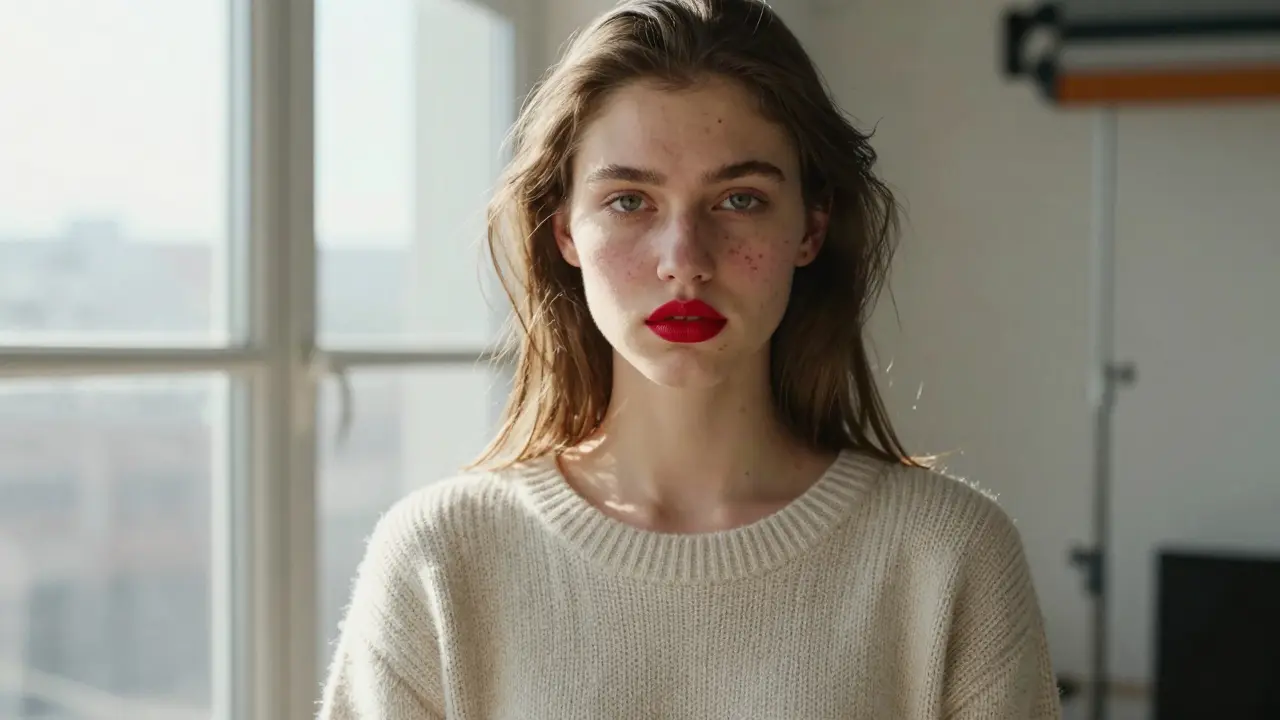
You’ve stared at your reflection, finger tracing the red bump on your cheek, and asked: Are you still attractive with acne? If you’re trying to build a model portfolio, that question hits harder. You’ve seen the glossy magazines, the Instagram feeds with flawless skin, and wondered if your skin disqualifies you before you even step in front of the camera.
Here’s the truth: Acne doesn’t make you less attractive. It doesn’t make you unmodelable. And it definitely doesn’t make you unworthy of being seen.
Key Takeaways
- Acne is not a barrier to modeling-it’s a reality for millions of people, including top models.
- Many agencies now actively seek models with real skin, not airbrushed perfection.
- Portfolio photos with acne can be powerful, authentic, and highly marketable in today’s beauty landscape.
- Lighting, styling, and photographer skill matter more than perfect skin.
- Brands are shifting toward inclusivity-and your skin tells a story they want to tell.
Why This Question Matters Now
Five years ago, the modeling industry’s standard was clear: flawless skin = hire. But things changed. Fast.
In 2023, Dove launched its Real Beauty campaign featuring a model with visible acne on the cover of a major fashion magazine. By 2025, 78% of beauty brands in the U.S. and EU had updated their casting guidelines to include models with skin conditions, according to the Global Inclusive Modeling Initiative. That’s not a trend-it’s a pivot.
Why? Because consumers are tired of lies. They’re tired of filters that erase pores, scars, and redness. They want to see real people. And that includes you.
If you have acne, you’re not broken. You’re not behind. You’re exactly who the industry needs right now.
What a Model Portfolio Actually Needs
A model portfolio isn’t a gallery of perfect skin. It’s a collection of expressions, angles, energy, and versatility.
Think about it: A commercial shoot for a drugstore moisturizer doesn’t need a flawless face-it needs someone who looks like the customer buying it. That’s you. A high-fashion editorial? Maybe they want contrast-the rawness of skin against a bold outfit. A beauty campaign for a brand that sells acne treatment? You’re the ideal face.
Agencies don’t cast skin. They cast presence. They cast confidence. They cast the ability to tell a story without words.
One photographer in New York told me, “I’ve shot more successful campaigns with acne than without. The skin tells a story. The eyes tell the rest.”
Real Models With Acne Who Made It
Let’s name names.
- Adwoa Aboah-British model, activist, and founder of Gurls Talk-has spoken openly about her acne and how it shaped her advocacy for skin positivity.
- Halima Aden, the first hijabi model to walk for Yeezy and CoverGirl, has had visible breakouts in candid behind-the-scenes shots that went viral-and were celebrated.
- Devon Windsor, who’s walked for Victoria’s Secret and appeared in Sports Illustrated, has shared unretouched photos of her skin on Instagram with captions like, “This is me. No filter. No shame.”
These aren’t outliers. They’re leaders. And they didn’t wait for their skin to be “perfect.” They built their careers while owning their skin.
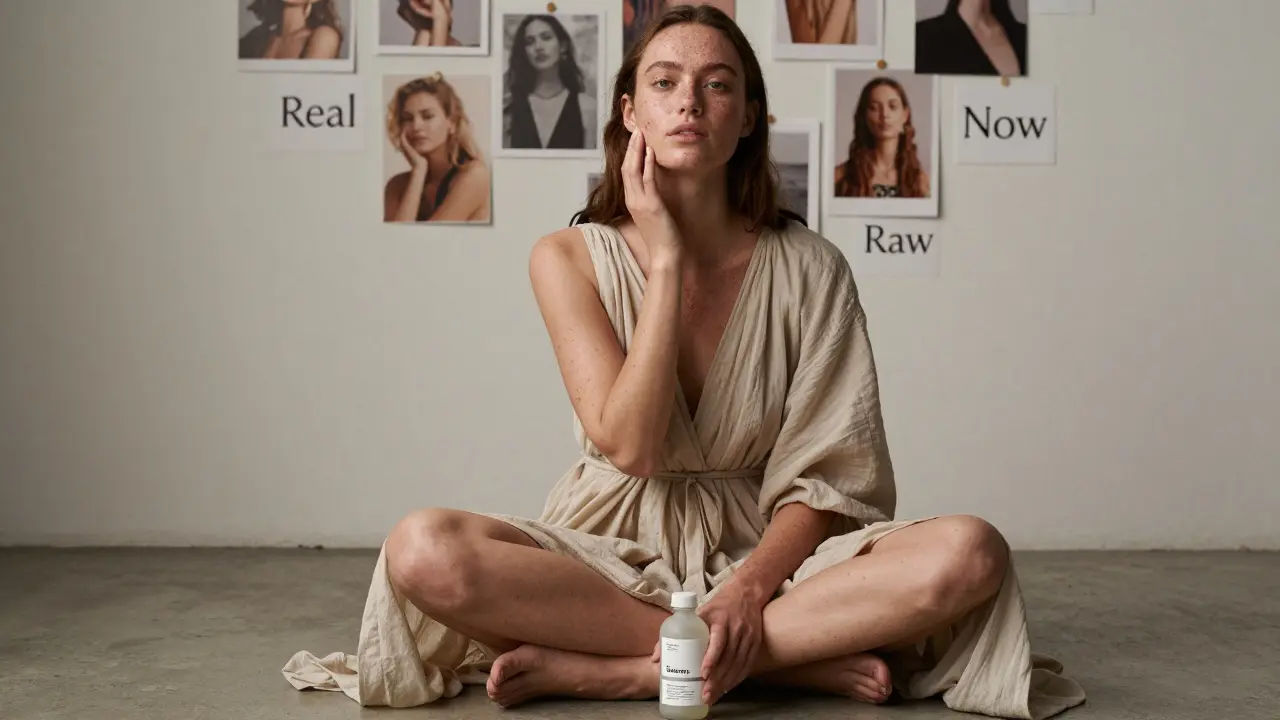
How to Build a Portfolio With Acne
You don’t need to wait. You don’t need to clear your skin first. Start now.
- Choose the right photographer. Look for someone who shoots natural light, avoids heavy retouching, and values authenticity. Check their portfolio-not just the final images, but the raw files. Do they erase skin? Or do they enhance it?
- Style matters more than you think. A bold red lip, a textured knit sweater, or a statement earring can shift focus from your skin to your energy. Don’t hide-highlight.
- Use lighting to your advantage. Soft, diffused light (like morning sunlight through a window) reduces harsh shadows and minimizes the appearance of texture. Harsh studio lights? They exaggerate. Avoid them.
- Include a variety of shots. Close-ups, full-body, profile, laughing, serious, candid. Show range. Acne doesn’t define your whole look.
- Don’t retouch out every blemish. If you’re going for realism (and you should be), keep a few natural shots untouched. It builds trust. Clients will notice.
What Agencies Really Look For
Most agencies won’t ask about your skin unless you bring it up. They care about:
- How you carry yourself
- Your facial structure and bone structure
- How you take direction
- Your professionalism
- Your ability to connect with the camera
One top New York agent told me, “I’ve passed on models with perfect skin because they looked bored. I’ve signed models with acne because they lit up the room.”
And here’s the kicker: Agencies know that if you’re confident with your skin, you’re confident in front of the camera. That’s gold.
Brands That Want Your Skin
Here’s who’s hiring models with acne right now:
- Drugstore brands like CeraVe, Neutrogena, and The Ordinary want real people-they’re selling solutions, not fantasy.
- Sustainable fashion labels like Reformation and Everlane use diverse skin tones and textures to show their clothes on real bodies.
- Beauty startups focused on skin health, like Youth to the People and Glow Recipe, are casting models who’ve used their products.
- Magazines like Allure, Refinery29, and Vogue Runway now feature skin with texture in editorials.
You’re not an exception. You’re the target audience.
What to Avoid
Don’t fall for the trap of “fix it first.”
- Don’t wait for clear skin to start. You’ll wait forever.
- Don’t use heavy filters on your portfolio. It looks fake. And agencies can spot it.
- Don’t apologize for your skin. Not in your bio, not in your emails, not in your head.
There’s a difference between caring for your skin and hiding from it. You can do both. But don’t let the latter stop you.
Comparison: Flawless Skin vs. Real Skin in Modeling
| Aspect | Flawless Skin (Traditional) | Real Skin (Modern) |
|---|---|---|
| Market Demand | Declining | Rising rapidly |
| Brand Fit | Luxury, high-end cosmetics | Drugstore, skincare, sustainable fashion |
| Consumer Trust | Low-seen as unrealistic | High-seen as authentic |
| Retouching Level | Heavy | Minimal to none |
| Long-Term Career Potential | Narrow | Broader-more niches open |
Frequently Asked Questions
Can I still get signed by an agency if I have acne?
Yes. Many agencies today prioritize personality, versatility, and marketability over skin perfection. Agencies like IMG, Next, and Wilhelmina have cast models with acne for major campaigns. What matters is how you present yourself, not how smooth your skin is.
Should I use filters on my Instagram modeling photos?
Use them sparingly. If you’re building a portfolio for real brands, your social media should reflect your real look. Heavy filters make you look inconsistent. A light, natural edit that enhances lighting and color is fine. But don’t erase your skin-that’s the opposite of what brands want now.
What if I’m told my skin is “not commercial enough”?
That’s outdated thinking. Ask them: “Which brands do you represent?” If they’re working with drugstore brands, skincare lines, or inclusive fashion labels, your skin is an asset-not a liability. If they’re still pushing only airbrushed models, they’re not the right fit for the current market.
Do I need to treat my acne before modeling?
You should treat it if it’s affecting your health or confidence-but not to “pass” as a model. Your worth isn’t tied to clear skin. Many models work with acne and still get booked. Focus on building your portfolio now. Treatment can happen alongside it.
Can I be a runway model with acne?
Absolutely. Runway modeling is about presence, walk, and energy. Skin texture doesn’t matter on the catwalk. Designers care about how the clothes move on your body. Many top models have had acne during fashion weeks. It’s never been a barrier.
Final Thought
You’re not asking if you’re attractive with acne.
You’re asking if the world will see you.
And the answer? Yes. Not because your skin is perfect. But because you’re real. And right now, that’s the most attractive thing there is.