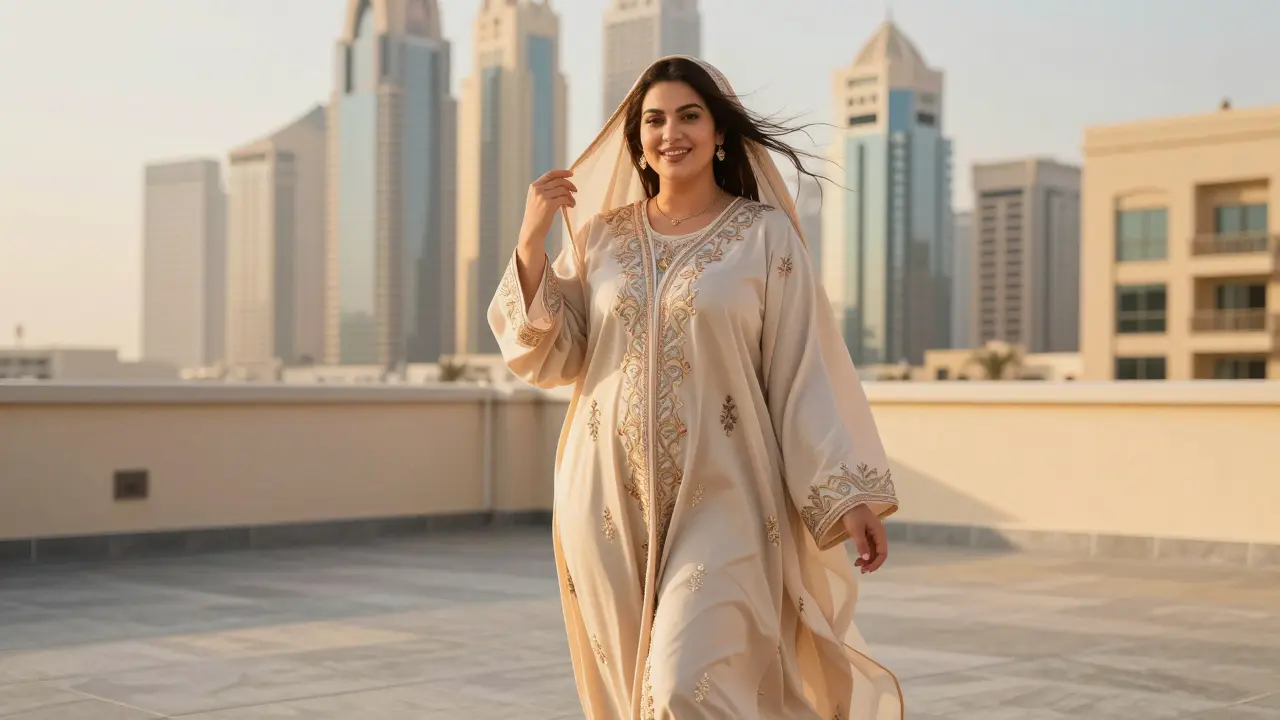
You’ve probably seen her on billboards in Dubai, scrolling past on Instagram, or gracing the cover of a major fashion magazine. She’s confident, radiant, and unapologetically herself. But who is the hottest plus-size model right now? And why does it even matter?
The truth? There’s no single answer. The fashion world doesn’t crown one queen anymore. It’s no longer about finding the single most beautiful curve-it’s about celebrating a whole movement. And that movement has more than one face.
Why the Question Matters
When people ask who the "hottest" plus-size model is, they’re really asking: "Who’s breaking the mold?" For years, fashion told us beauty had one shape. Thin. Narrow. Petite. But today, brands are waking up. Consumers are demanding change. And models are leading the charge-not by trying to fit in, but by refusing to bend.
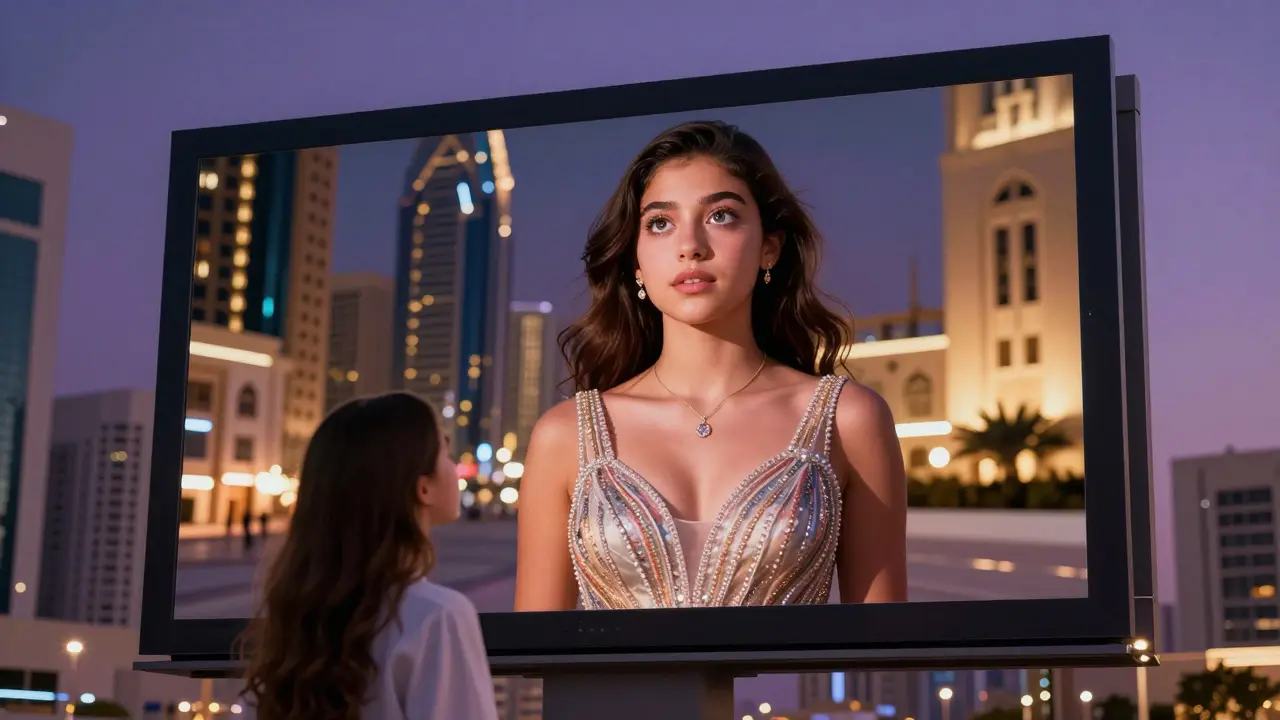
It’s not just about looks. It’s about representation. When a size 16 model walks the runway at Paris Fashion Week, a teenage girl in Abu Dhabi sees herself for the first time in a magazine. That’s powerful. That’s progress.
Who’s Leading the Pack in 2026?
Let’s cut through the noise. There isn’t one person holding the title. But there are a few names consistently dominating global visibility, brand deals, and cultural impact.
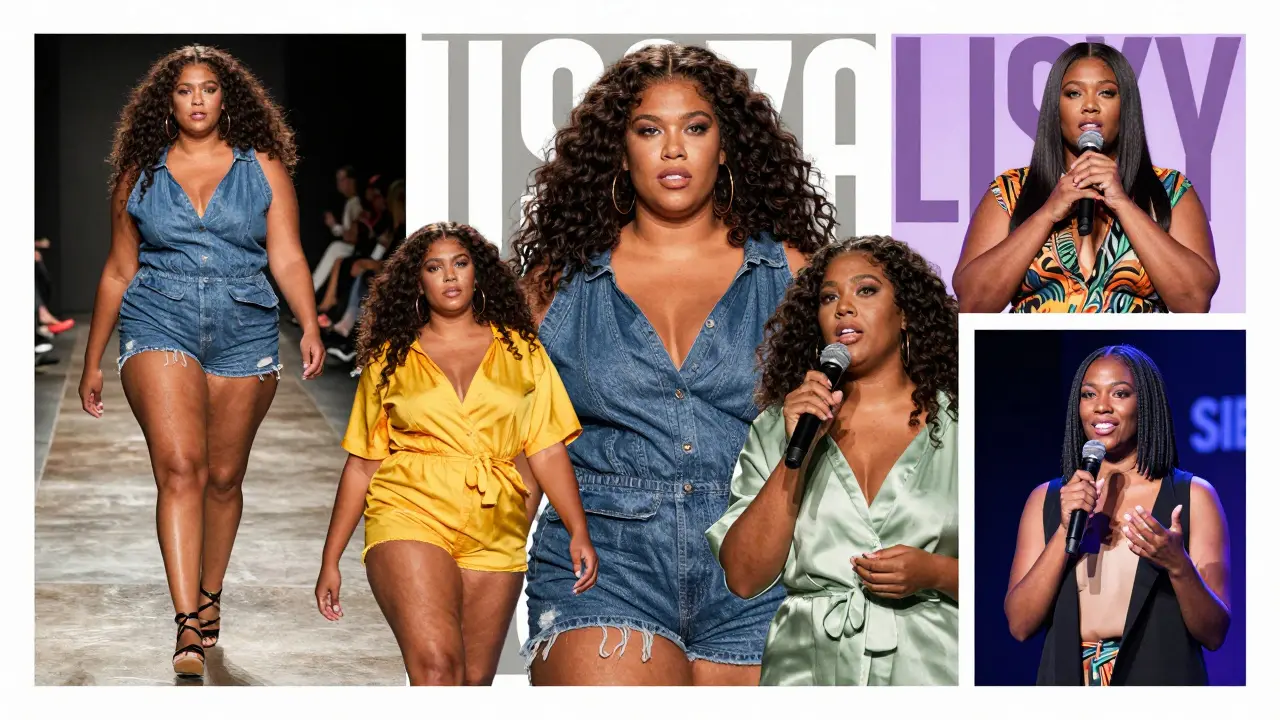
- Lizzo-yes, she’s a singer, but her fashion presence is undeniable. She walks runways, designs collections, and turns every red carpet into a statement. Her confidence isn’t curated-it’s contagious.
- Paloma Elsesser-a model who redefined what it means to be "high fashion." She’s walked for Fendi, Marc Jacobs, and Savage x Fenty. Her presence on the catwalk isn’t just modeling-it’s activism.
- Iskra Lawrence-a former lingerie model turned body positivity icon. She’s worked with Aerie, Nike, and Dove. Her social media isn’t filtered perfection-it’s real skin, real stretch marks, real joy.
- Angie Smith-a rising star from the Middle East. Based in Dubai, she’s breaking barriers in regional fashion. She’s been featured in Vogue Arabia and has partnered with local brands to expand size inclusivity in Gulf markets.
- Jessica Sutta-a former Pussycat Doll who transitioned into modeling and now champions curvy fashion in the U.S. and Asia. Her viral TikTok series "What I Actually Wear" has over 12 million views.
These women aren’t just models. They’re influencers, designers, entrepreneurs. They’ve turned their bodies into platforms. And they’re not waiting for permission.
What Makes a Plus-Size Model "Hottest" Today?
"Hottest" doesn’t mean "sexiest" in the old sense. It doesn’t mean the most photographed or the most toned. In 2026, the hottest plus-size model is the one who:
- Has real influence-not just followers, but change
- Works with major brands that actually expand their size ranges
- Speaks openly about body image, mental health, and industry bias
- Is visible in places where plus-size models were once erased: high fashion, editorial spreads, luxury campaigns
- Owns her narrative-not letting others define her worth
It’s not about who looks the best in a bikini. It’s about who’s reshaping the rules.
The Rise of Plus-Size Modeling in the Middle East
Dubai, Abu Dhabi, Riyadh-these cities weren’t always welcoming to curvy models. But that’s changing fast. Local designers are launching inclusive lines. Retailers like Bloomingdale’s Dubai and Namshi now carry sizes up to 24. And social media has made it impossible to ignore.
Angie Smith, for example, started as a local influencer in Dubai. She posted a photo of herself in a designer abaya-size 18-and tagged the brand. Within a week, the brand responded. They redesigned the collection. Today, she’s their official curve ambassador.
This isn’t an exception. It’s the new normal.
What’s Still Missing?
Don’t get it twisted-progress isn’t perfect. Many brands still use "plus-size" as a marketing gimmick. Some only feature one model per campaign. Others still retouch stretch marks, dimples, and cellulite. True inclusion means more than one model on a runway. It means:
- Multiple sizes in every collection
- Models of all skin tones, abilities, and backgrounds
- Real representation in advertising-not just "diversity shots"
- Pay equity: plus-size models still earn 30% less on average than their straight-size counterparts (according to 2025 industry surveys)
So while we celebrate the faces we see, we must also push for the ones we don’t.
How to Spot Real Inclusion
Not every brand that says "inclusive" actually is. Here’s how to tell the difference:
- Do they have sizes up to 24+ in their main collection-or just a separate "curve" section?
- Are the models labeled as "plus-size," or are they just called "models"?
- Is the same styling, lighting, and editorial treatment given to all sizes?
- Do they feature models with stretch marks, scars, or visible body hair?
If the answer is "no" to any of those, it’s performative. Real inclusion doesn’t need a hashtag.
What’s Next?
The next generation of models is already here. Gen Z and Alpha girls are growing up with body-positive influencers as their role models. They’re not asking for permission. They’re launching their own brands. They’re calling out brands that don’t match their values.
In five years, we won’t be asking "who’s the hottest?" We’ll just see models-of every size, shape, and skin tone-on every runway, in every ad, and on every cover. And it won’t be news anymore. It’ll just be normal.
Comparison: Plus-Size Models vs. Traditional Models in 2026
| Category | Plus-Size Models | Traditional Models |
|---|---|---|
| Average Size Range | Size 12-24 (US) | Size 0-8 (US) |
| Brand Partnerships | Increasingly mainstream (Nike, ASOS, Savage X Fenty) | Still dominant in luxury fashion |
| Media Coverage | High on social media; growing in editorial | Still primary in Vogue, Harper’s Bazaar |
| Pay Gap | 30% lower than straight-size peers | Industry standard |
| Public Perception | Increasingly seen as empowering and authentic | Still tied to "ideal" beauty standards |
Frequently Asked Questions
Is there really a "hottest" plus-size model?
No-and that’s the point. The fashion industry is moving away from crowning a single "it" girl. Instead, it’s celebrating a diverse group of women who are changing the game. The "hottest" isn’t about who looks best-it’s about who’s pushing boundaries, owning their voice, and making space for others.
Why do some brands still avoid plus-size models?
Some brands fear sales won’t match up, or they think their "target audience" doesn’t include curvy women. But data shows otherwise. In 2025, the global curve fashion market hit $25 billion. Brands that ignore it are leaving money on the table-and alienating millions of loyal customers.
Are plus-size models only in lingerie or casual wear?
Absolutely not. Models like Paloma Elsesser and Iskra Lawrence have walked for Chanel, Balenciaga, and Gucci. Plus-size models are now in high fashion, editorial spreads, and luxury campaigns. The idea that curves don’t belong in couture is outdated.
Can a plus-size model become a supermodel?
Yes-and they already have. Lizzo, Angie Smith, and Paloma Elsesser are now household names. Supermodel status isn’t about size-it’s about visibility, influence, and longevity. The gatekeepers are gone. The throne is open.
How can I support plus-size models?
Buy from brands that feature real diversity. Follow and engage with models who speak honestly about body image. Call out companies that tokenize size. And most of all-stop saying "plus-size" like it’s a category apart. They’re just models. Period.
The next time you see a curvy model on a billboard, don’t just admire her. Thank her. Because she’s not just wearing clothes-she’s wearing a revolution.