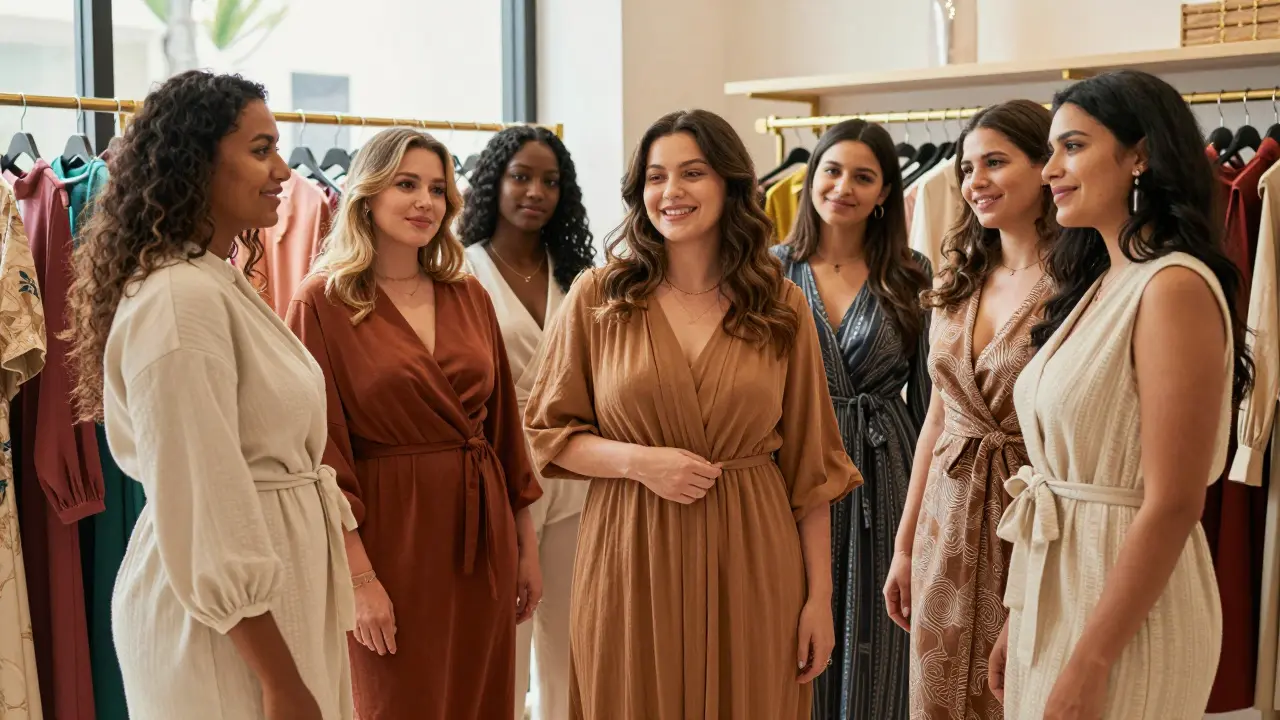
You’ve probably heard someone say, plus-size starts at a certain number-16, 18, 20, or even 24. But here’s the truth: there’s no single weight that makes you plus-size. It’s not a number on a scale. It’s not a number on a dress tag. And it’s certainly not something a doctor or designer gets to decide for you.
So why does this myth keep coming back? Because the fashion industry, media, and even some health professionals have spent decades pushing a narrow idea of what a body should look like. And if you don’t fit that mold, you’re labeled-often without your consent.
What Does ‘Plus-Size’ Actually Mean?
Plus-size isn’t a medical term. It’s a clothing industry label. In fashion, it typically refers to sizes 14 and up in the U.S., or 16 and up in some European markets. But here’s the catch: a size 14 on one brand can be a size 12 on another. The same person might wear a 16 in jeans, a 14 in a dress, and an 18 in a blazer. It’s messy. It’s inconsistent. And it’s designed to confuse you.
When you see a model labeled as ‘plus-size’ in a magazine or on a runway, she’s usually a size 14 to 22. But that doesn’t mean she’s ‘overweight’ or ‘unhealthy.’ Many plus-size models are athletes, dancers, or simply people who carry their weight naturally. Their bodies are strong. Their bodies are healthy. And their bodies are beautiful-no numbers needed.
Why the Number Game Doesn’t Work
Let’s say you weigh 180 pounds. Are you plus-size? Maybe. Maybe not. It depends on your height, muscle mass, bone structure, and body fat distribution. Two people can weigh the exact same amount and look completely different. One might be tall and lean with a muscular frame. The other might be shorter with more body fat. Both are valid. Both are real.
The BMI scale-often used to label people as ‘overweight’ or ‘obese’-was created in the 1830s using data from European men. It doesn’t account for race, gender, age, or body composition. And yet, it’s still used today to make assumptions about your health, your worth, and your place in fashion.
Real health isn’t measured by a number on a scale. It’s measured by how you feel, how you move, how you sleep, how you eat, and how you treat yourself. A size 10 woman can have high blood pressure. A size 22 woman can run marathons and eat vegetables every day. Health doesn’t come in one size.
Plus-Size Models: Breaking the Mold
Plus-size models like Ashley Graham, Tess Holliday, and Lizzo didn’t wait for permission to be seen. They stepped into the spotlight and changed the game. They didn’t shrink. They didn’t apologize. They showed up in their bodies-and the world had to adjust.
Brands like Savage X Fenty, Aerie, and Universal Standard now feature models of all sizes because customers demanded it. And guess what? Sales went up. Engagement soared. People felt seen.
These models aren’t ‘representatives’ of a weight category. They’re individuals. Some are curvy. Some are tall. Some have stretch marks. Some have scars. Some have cellulite. All of them are real. And that’s the point.
What You’ll See in Dubai’s Plus-Size Scene
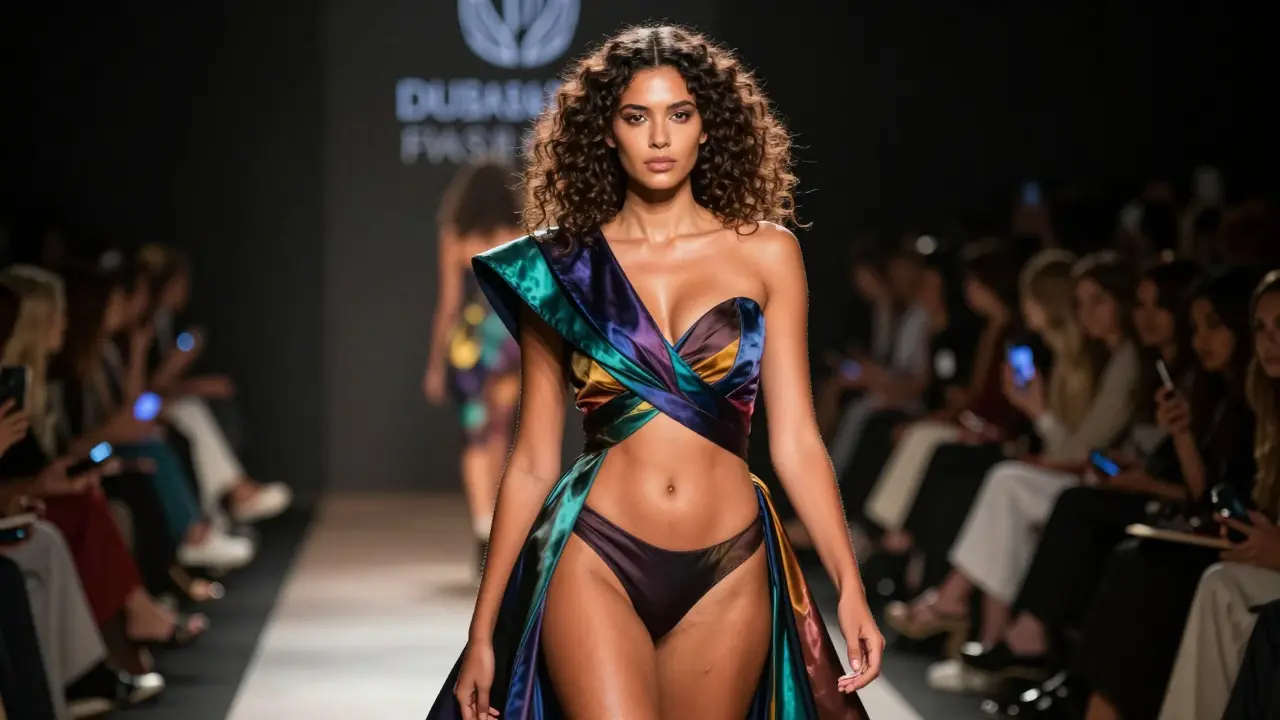
Dubai’s fashion scene is evolving. You’ll find local designers like Rana Al Maktoum and brands like The Curve Lab offering stylish, well-fitted clothing for sizes 14 to 26. Boutiques in City Walk and Mall of the Emirates now carry extended sizes-not as an afterthought, but as a core offering.
Plus-size runway shows have popped up at Dubai Fashion Week. Local influencers with 50K+ followers are sharing their styling tips, body confidence journeys, and honest reviews of brands that actually fit. It’s not perfect. But it’s growing.
And the best part? You don’t need to be a model to be part of it. You just need to show up-wearing what makes you feel powerful.
How to Find Plus-Size Clothing That Fits (Without the Frustration)
Shopping as a plus-size person used to mean endless returns, bad tailoring, and flimsy fabrics. But things are changing. Here’s how to cut through the noise:
- Know your measurements-not your size. Measure your bust, waist, and hips. Write them down. Use them as your guide, not the tag.
- Look for brands with transparent size charts. If a brand doesn’t list exact measurements, walk away.
- Try on multiple sizes. A size 18 in one brand might be a 20 in another. Don’t assume.
- Shop from local designers in Dubai. They often have better fit options for Middle Eastern body types.
- Check out secondhand stores like The RealReal or local Facebook groups. You’ll find hidden gems with less pressure.
What to Expect When You Step Into a Plus-Size Fashion Space
Walking into a store that actually carries your size feels different. It’s not just about the clothes. It’s about the energy. The sales staff doesn’t look away. The mirrors aren’t placed too high. The changing rooms are clean and spacious. You’re not an afterthought-you’re the reason they’re there.
At Dubai’s first plus-size pop-up last year, women cried when they found a dress that fit. Not because it was expensive. Not because it was trendy. But because for the first time, someone had made something just for them.
That’s the power of representation.
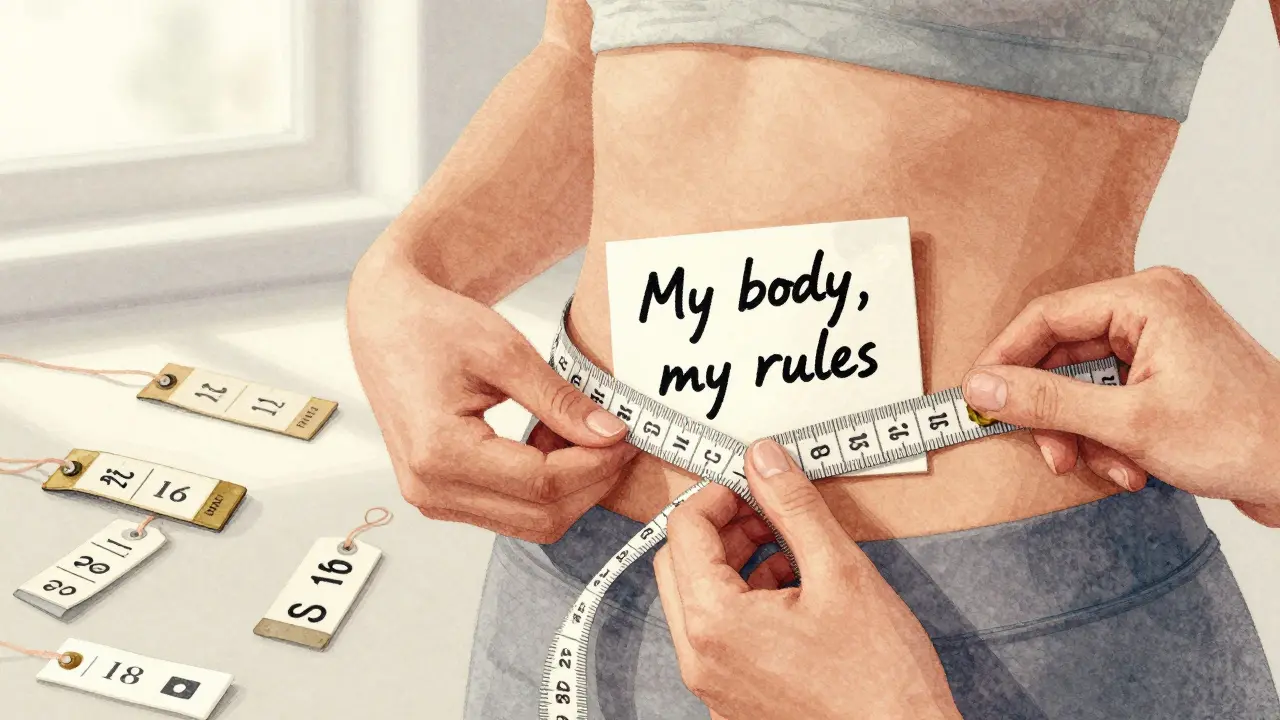
Plus-Size vs. Standard: A Real Comparison
| Feature | Standard Fashion | Plus-Size Fashion |
|---|---|---|
| Size Range | 0-12 (US) | 14-26+ (US) |
| Fit Design | Based on slim, narrow frames | Designed for curves, hips, and fuller busts |
| Fabric Quality | Often lightweight, stretchy | Reinforced seams, stronger materials |
| Availability in Dubai | Widely available in all malls | Limited to select boutiques and online |
| Price Range | $20-$150 | $40-$200 (often higher due to fabric and labor) |
| Model Representation | Most ads and campaigns | Slowly growing-15% of major campaigns in 2025 |
Frequently Asked Questions
Is there a medical definition for plus-size?
No. There’s no official medical definition for ‘plus-size.’ It’s a fashion and retail term. Doctors use BMI or waist-to-hip ratios to assess health-not clothing sizes. A person can be size 18 and perfectly healthy, or size 10 and have metabolic issues. Don’t let clothing labels dictate your health.
Do I need to lose weight to be considered beautiful?
No. Beauty isn’t tied to weight. You don’t need to change your body to be worthy of love, attention, or admiration. Plus-size models prove this every day. They’re on magazine covers, in ad campaigns, and walking runways-not because they lost weight, but because they own their bodies.
Why do some plus-size models look ‘thin’?
Because ‘plus-size’ isn’t about being ‘big’-it’s about being outside the standard size range. A size 14 in fashion is considered plus-size, even if someone looks lean. Body shape matters more than weight. Some plus-size models have broader shoulders, wider hips, or fuller busts that don’t fit standard patterns. That’s what makes them plus-size-not their weight.
Can I be a plus-size model if I’m not a size 16?
Yes. Many agencies now accept models starting at size 12, especially if they have strong presence, confidence, or unique features. The industry is shifting from rigid size cutoffs to inclusive casting. If you have charisma, authenticity, and a sense of style, you belong in front of the camera-no matter your size.
Are plus-size models paid less than standard models?
Historically, yes. But that’s changing fast. In 2025, top plus-size models in Dubai and globally earn the same rates as their standard-size peers. Major campaigns now pay equally. The gap still exists in smaller jobs, but the movement toward pay equity is real and growing.
Final Thought: Your Body Is Not a Trend
What makes you plus-size? Nothing. You’re not a category. You’re not a size. You’re not a number. You’re a person-with a history, a voice, and a right to be seen exactly as you are.
The fashion industry will keep trying to define you. But you don’t need their label to be valid. You don’t need their approval to be beautiful. You just need to look in the mirror-and say, ‘This is me.’
And that’s more powerful than any size tag ever could be.