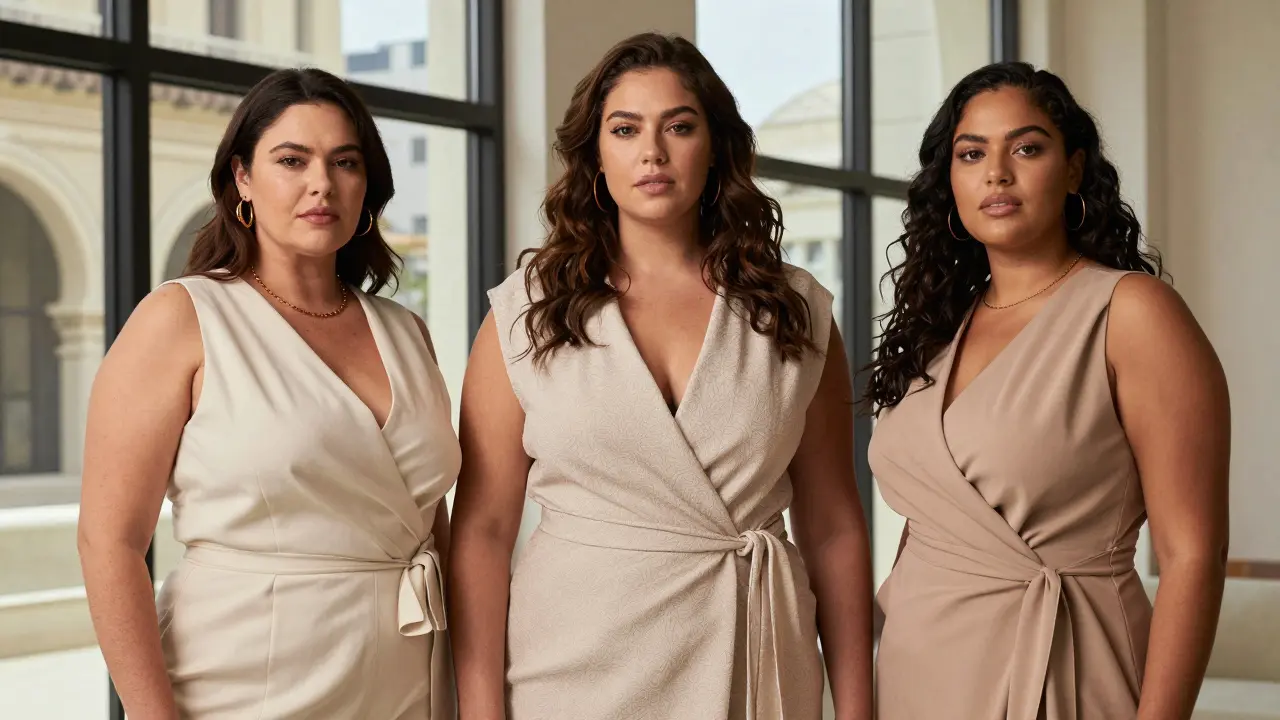
The Direct Answer: Yes, Absolutely.
If you are asking whether the plus-size market exists today, the answer is a resounding yes. We are no longer guessing if brands care. In 2026, inclusivity is not just a marketing buzzword; it is a business requirement. The demand for Plus-Size Modeling is a rapidly growing sector within the fashion industry that focuses on representing diverse body types beyond standard sample sizes. Major retailers and luxury houses alike have realized that ignoring over 70% of the population is bad math. From street style campaigns in Dubai to runway shows in Paris, there is concrete work for talent who fit the size 12-plus profile.
Key Takeaways
- The plus-size market has moved from a niche trend to a core revenue driver for major fashion houses.
- Commercial work offers more consistent income compared to high-fashion runway slots.
- Digital portfolios and social media presence are now non-negotiable for getting booked.
- Fraudulent agencies still exist, so contract verification remains a priority safety step.
- Regional markets like the UAE are showing significant growth in inclusive representation.
Defining the Modern Plus-Size Market
To understand the landscape, we first need to define what "plus" means in the current climate. Historically, this label applied to size 12 and up in the US, but the definition has evolved. Today, it encompasses a spectrum of body types, including curvy, tall, petite, and muscular builds that do not fit standard sample sizes. The industry has shifted from using the term purely for clothing sizing to celebrating body diversity as a whole aesthetic.
This shift didn't happen overnight. Brands realized that their customers wanted to see people who looked like them in advertisements. This wasn't charity; it was strategy. A campaign featuring real bodies performs better with real audiences. As a result, agencies have created dedicated departments just for plus-sized talent. You won't be fighting for space alongside samples anymore. You will have your own bookings team, your own editorial calendars, and your own specific rate cards.
Why Brands Are Investing Heavily Now
It is tempting to think this is just about politics or feelings, but let's talk about the numbers. The financial case for plus-size representation is clear. By 2026, companies that ignore diversity risk losing direct sales. Consumers prefer authenticity. When a brand advertises using a size 6 model but sells clothes up to size 22, customers feel misled. They bounce to competitors who respect their bodies.
We see this in the Middle East specifically. The luxury retail sector in Dubai and Riyadh is expanding aggressively. Local shoppers demand variety. Luxury boutiques now stock extended ranges, and they need faces to put on those products. This isn't a fad. It is a sustained operational change. Brands like ASOS and Zara launched permanent plus lines years ago, but now even traditional luxury labels are integrating these sizes into their core collections rather than treating them as side projects.
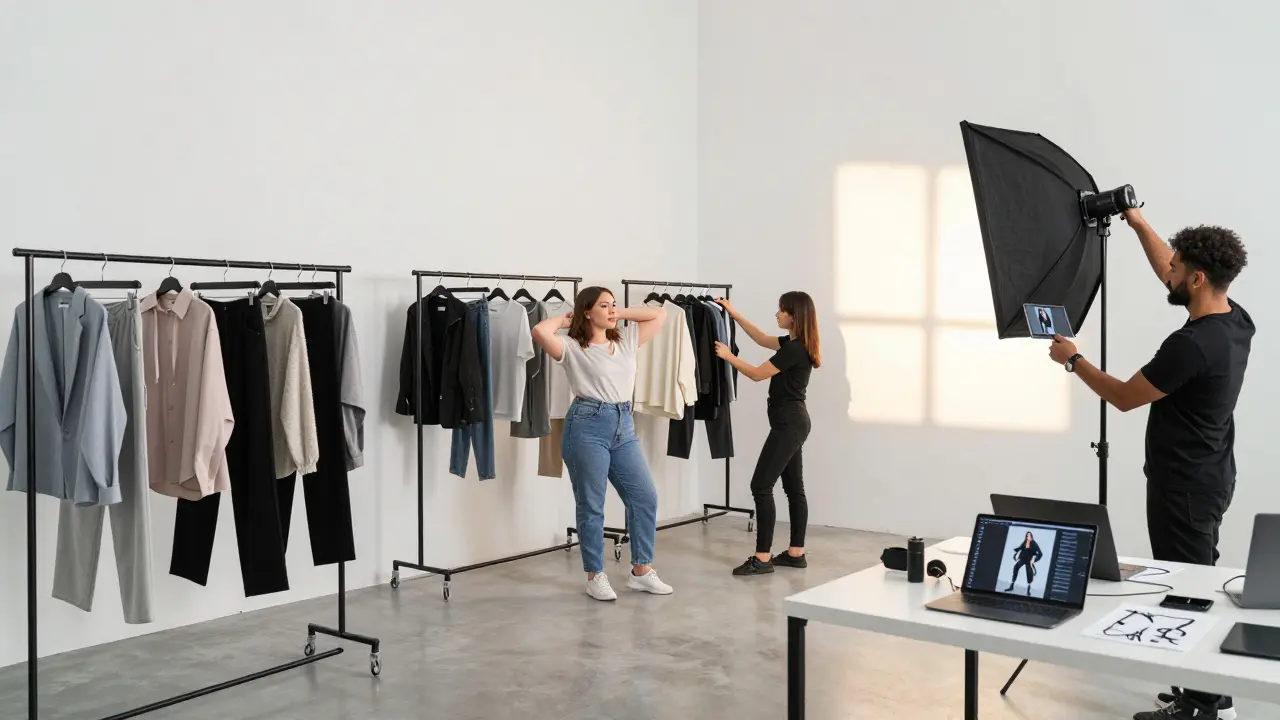
Types of Work Available
You will encounter different categories of jobs depending on your measurements and skills. Knowing the difference helps you target the right clients.
| Type | Focus | Frequency |
|---|---|---|
| Catalog | E-commerce photography for online stores | High |
| Runway | Fashion week and seasonal shows | Medium |
| Swimwear | Beachwear and resort wear shoots | Seasonal |
| Lifestyle | Social media content and branding | Steady |
Catalog work is the bread and butter. It involves shooting hundreds of outfits for websites. It pays less per hour than high fashion but happens much more often. Runway modeling gets you exposure but requires physical endurance. Walking hours in heels takes a toll, but the network value is high. Swimwear is popular in regions like Dubai during winter months when tourism peaks. Lifestyle gigs involve influencing campaigns where you share photos on your personal accounts. This blurs the line between being a model and an influencer, doubling your earning potential if you play both sides well.
Breaking Into the Scene in Dubai and Beyond
Finding work starts with visibility. While traditional agencies still operate, digital scouting has taken over. Top agencies like IMG and Elite scan Instagram and TikTok daily. If your feed looks professional and you tag brands you love, scouts notice. You should treat your social profiles as a public portfolio. Consistency matters here. Post frequently and engage with industry hashtags like #PlussizeModel or #CurvyChic.
In Dubai, you also want to attend industry events. Fashion weeks, trade shows, and networking nights offer face-to-face connection. Many smaller boutique agencies set up booths. These local firms sometimes have exclusive deals with regional malls that big global agencies miss. Networking in person builds trust faster than DM requests. Just remember to bring your comp cards. Digital copies are fine, but having a physical card in hand makes you memorable during a chat.
What Happens on Casting Days
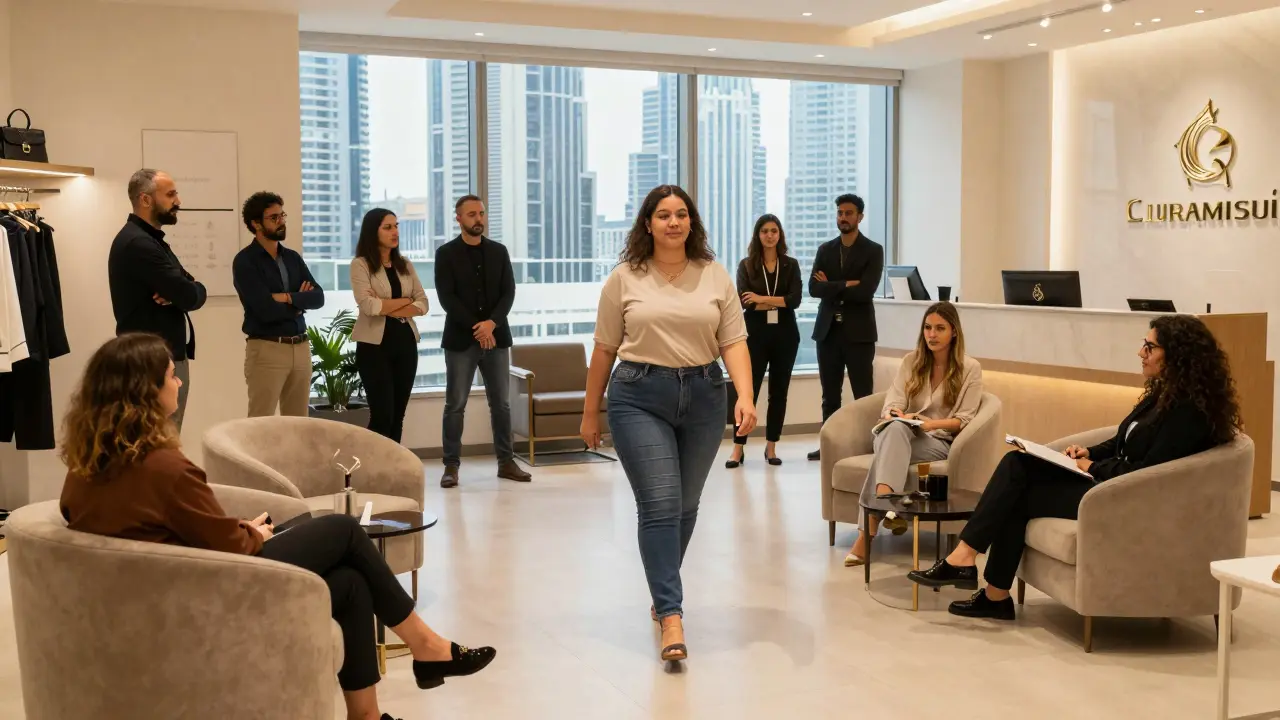
A casting session is basically a job interview. You will walk onto a floor, perhaps wearing jeans and a plain top, and meet photographers or designers. They aren't looking for you to dance usually. They just want to see your proportions against their garments. You might be asked to walk a few steps or turn around. Keep your posture neutral and smile naturally. Nervousness shows in tight shoulders, so breathe deeply before you walk in.
After the initial screen, you might get a "waitlist" call. Don't panic. Bookings often happen at the last minute if a scheduled model cancels. If you win the slot, a prep email follows. They will tell you exactly what to bring to the shoot. Usually, it is basic underwear and shoes in various colors (black, nude, tan). Never arrive late. Punctuality is a massive factor in whether they rehire you next season. Reliability beats perfect cheekbones every time.
Earning Potential and Rates
Money questions are important. Pay varies wildly based on reputation. A starting commercial gig might pay a daily minimum of $500 USD. Established runway stars command thousands per day. Some shoots involve a flat buyout fee where you sell all usage rights for a fixed sum. Others pay royalties based on ad impressions, though that is rarer in print work. Be wary of any job asking you to pay for training classes or headshots upfront. Legitimate clients hire professionals to provide those services if needed, or pay you directly. Your time is valuable, and you should never pay to earn a paycheck.
Inflation affects the industry too. In 2026, day rates have adjusted upward compared to five years ago. You should negotiate based on your specific value. If you have a strong personal following, add that traffic into the conversation. Bring hard numbers on your engagement rates to justify higher pay. A solid contract protects you from scope creep. Ensure the agreement lists exactly how many hours of work and what territories the images are sold for.
Safety, Trust, and Red Flags
The modeling world has faced abuse scandals in the past. Fortunately, regulations are tighter now. Reputable agencies never ask for cash deposits. Scams often target beginners by promising "exposure" instead of pay. Exposure does not buy rent or groceries. Always Google an agency's reviews before signing anything. Cross-reference with official guild listings.
On set safety is another layer. Never sign a release form that gives a company indefinite, worldwide rights to your image forever. Limit duration to one year. Check who else will be on set. For solo shoots, ensure a friend accompanies you. If something feels off during the briefing, leave. Trust your gut. Professionalism means respecting boundaries, and good agencies will back you up immediately if you report harassment or unfair treatment.
Comparing Plus-Size vs. Standard Markets
Is the experience different from standard sizing modeling? Generally, yes. There are fewer "plus" specific agencies than standard ones, meaning supply is lower but demand is high. This creates a power shift in your favor. You may face less competition for the specific slots available. However, the range of sizes within "plus" is wide. A size 12 model faces different challenges than a size 24 model. Each tier has its own expectations. Also, plus-size models often get paid a premium because finding the right fit is harder, so agencies value those who fit perfectly without altering.
Standard modeling moves fast and changes with seasons. Plus-size work is becoming more stable due to the longevity of lifestyle brands. E-commerce giants need constant content. This provides a more reliable workflow compared to the feast-and-famine cycle of high fashion runway seasons.
Do I need an agency to find plus-size modeling work?
Not necessarily, but it helps. Independent casting calls on platforms like Bodyscape or Backstage allow you to book directly. An agency handles negotiations and logistics, which saves you time and increases your earning leverage.
What is the average pay for a plus-size model in 2026?
Rates vary significantly. Newcomers might start at $500 per day, while established professionals in the Middle East or Europe can command between $2,000 to $5,000 for a single full-day shoot depending on brand budget.
Can older women pursue plus-size modeling?
Absolutely. The market specifically values mature plus-size models for lifestyle, clothing, and beauty campaigns. Ageism exists, but age-inclusive brands are actively recruiting women in their 30s, 40s, and beyond.
Is Instagram enough to launch a career?
Instagram is powerful, but you need a professional portfolio too. Scouts look for curated photos and comp cards. Treat your bio professionally, keep links updated, and avoid overposting random personal content.
How does the plus-size market differ in Dubai compared to London?
Dubai focuses heavily on luxury commercial work, swimwear, and regional branding. London leans more toward avant-garde fashion editorials and high-street catalogs. Both are active, but the client demographics differ.