Quick Answer: How Much Do Modeling Headshots Cost?
Depending on where you live and who you hire, modeling headshots usually cost between $150 and $800 per session. On the lower end, you'll find budding photographers building their portfolios, while the higher end reflects industry veterans who have direct ties to major agencies. If you're looking for a full portfolio build rather than just a few headshots, expect to pay anywhere from $500 to $2,000.
Key Takeaways for Your Budget
- Budget range: $150 to $800 for basic headshots.
- Deliverables: Most packages include 3 to 10 fully edited high-resolution images.
- TFP Option: Some photographers work for "Trade for Print," meaning no money changes hands, but you get fewer choices.
- Hidden costs: Watch out for extra fees for additional retouches or makeup artists.
- Value over price: A cheaper photo that doesn't get you signed is more expensive than a premium one that does.
Your Comprehensive Guide to Modeling Headshots
So, you've decided to pursue modeling. You've got the look, the confidence, and maybe a few great selfies. But then you hit a wall: the agency application. Every reputable agency wants to see professional photos. You can't just use a filtered Instagram photo because agents need to see your actual bone structure, skin texture, and how you handle light without digital distortion.
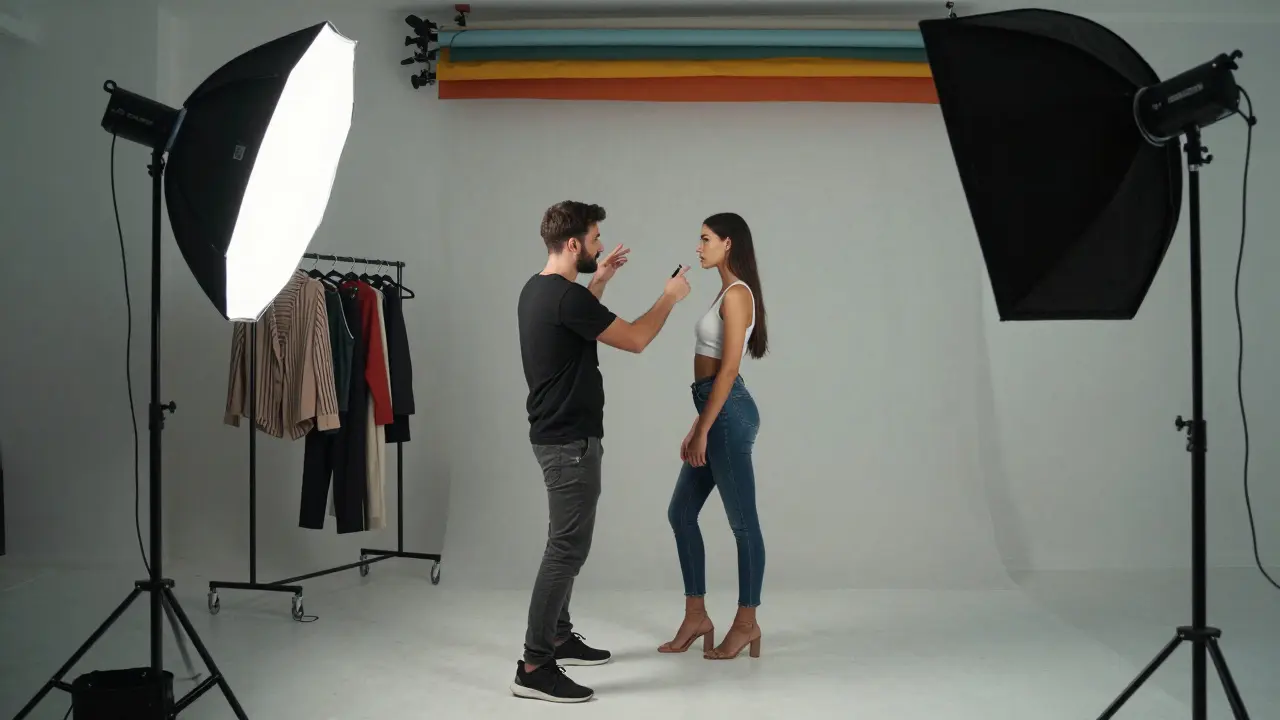
This is where the investment comes in. Booking a model photoshoot a professional photography session designed to showcase a model's physical attributes and versatility for agency submission isn't just about paying for a person with a camera. You're paying for their ability to direct your posing, their lighting setup, and their eye for what a specific market (like high fashion or commercial) actually wants to see.
What Exactly Are Modeling Headshots and Why Do They Matter?
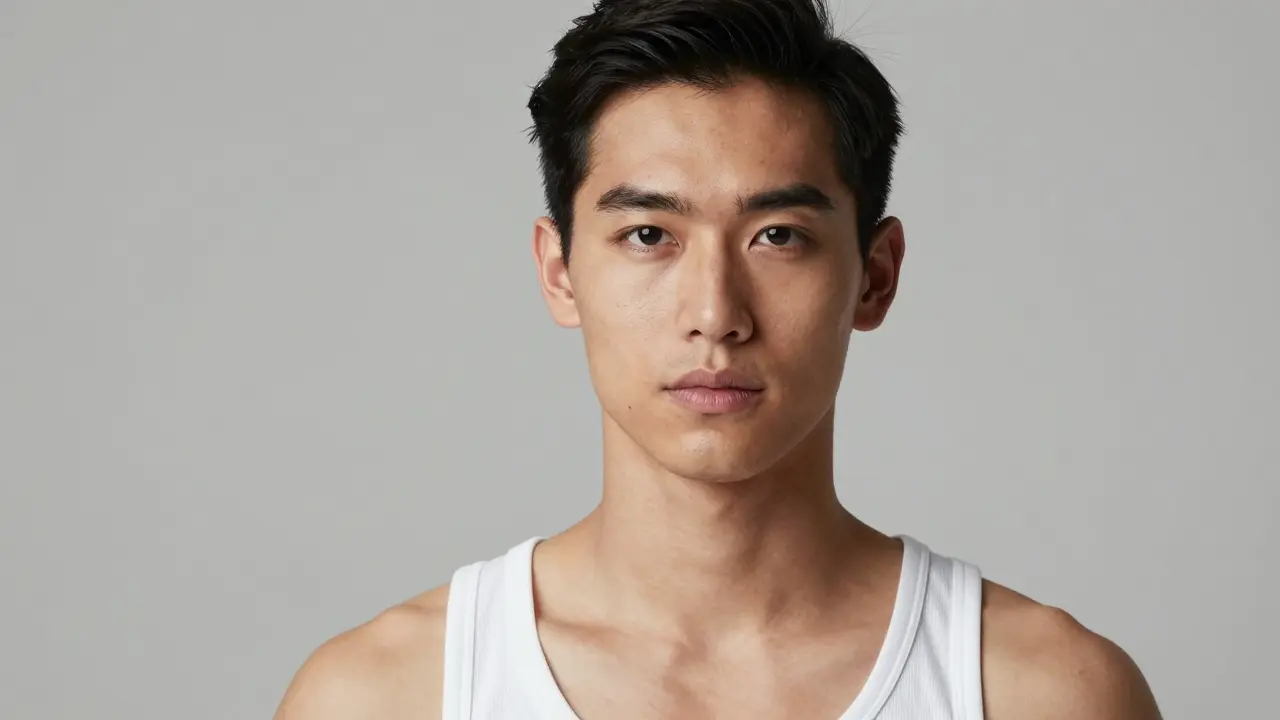
In the industry, headshots are your calling card. Unlike a glamour shot or a creative portrait, a true modeling headshot is meant to be a "clean" representation of you. Think of it as a visual resume. Agencies aren't looking for a masterpiece of art; they are looking for a raw canvas they can sell to clients.
If your photos are too edited or overly stylized, an agent might reject you simply because they can't tell what you actually look like. Have you ever seen a model in person and thought, "They look nothing like their photos"? That's exactly what agents fear. A professional photographer knows how to use Studio Lighting the use of controlled artificial light sources to illuminate a subject in a professional environment to enhance your features without making you look like a different person.
The Benefits of Investing in Professional Photos
You might be tempted to ask a friend who has a decent camera to help you out. While that works for a hobby, it rarely works for a career. Professional headshots provide several critical advantages:
- Correct Posing: A pro knows the difference between a "commercial smile" and a "high-fashion pout." They will guide your chin, shoulders, and gaze to create the most flattering angles.
- Industry Standards: They understand the specific requirements for "digitals" or "polaroids" - those simple, unedited shots that agencies crave.
- High-End Retouching: Professional editing removes a temporary blemish or a stray hair while keeping your natural skin texture intact.
- Confidence Boost: There is a psychological shift that happens when you see yourself through a professional lens. It helps you internalize your "angles" for future jobs.
Types of Modeling Packages Available
Not all shoots are created equal. Depending on your goals, you'll likely encounter these three main options:
1. The Basic Headshot Package
This is usually the most affordable option. You get a few looks (typically a clean face and a simple outfit) and a handful of edited shots. This is perfect for beginners who just need a few strong images to send to agencies.
2. The Portfolio Build
This is a more comprehensive session. Instead of just headshots, you'll do full-body shots, mid-lengths, and various outfits. This is for models who already have an agency and need to update their Modeling Portfolio a curated collection of a model's best work used to demonstrate their range and experience to clients to show versatility.
3. TFP (Trade For Print)
You'll see this term a lot on social media. TFP means the photographer and model both work for free to build their portfolios. It's a great way to get experience, but be careful: you often have less control over the final images and the photographer may not be an industry expert.
How to Find the Right Photographer for Your Look
Don't just hire the first person with a "Photography" bio on Instagram. You need someone whose style matches the market you're targeting. If you want to do edgy, high-fashion work, a photographer who specializes in corporate headshots for lawyers isn't the right fit.
Start by searching for "fashion photographers" in your city. Look at their tagged photos, not just their curated grid. This gives you a real sense of how they handle different faces and body types. Ask for their rates and, more importantly, ask how many of their models have actually been signed by agencies. A photographer with a track record of getting people signed is worth double their asking price.
What to Expect During Your Session
Walking into a studio for the first time can be nerve-wracking, but knowing the flow helps. Most sessions start with a brief consultation where you and the photographer discuss the "vibe." You'll then move to the lighting setup.
Expect a lot of direction. The photographer might tell you to "push your chin out and down" or "look past the camera." It might feel weird in the moment, but these micro-adjustments are what make a photo look professional. You'll likely spend 1 to 3 hours in the studio, changing outfits every 30-60 minutes. After the shoot, you'll go through a "culling" process where you pick your favorite raw images for the photographer to edit.
Pricing and Booking Details
When you get a quote, always ask what is included. Some photographers charge a session fee and then charge per image. Others offer a flat fee for a set number of photos. Here is a general breakdown of what you'll see in the market:
| Package Type | Estimated Price | What's Included | Best For |
|---|---|---|---|
| Basic Headshots | $150 - $300 | 2-3 looks, 5 edited photos | Newcomers / Agency Apps |
| Standard Portfolio | $300 - $600 | 5-8 looks, 15-20 edited photos | Developing Models |
| Premium Editorial | $800 - $2,000+ | Full day, Makeup/Hair, 30+ photos | Established Models |
To book, most pros require a 25% to 50% non-refundable deposit to hold the date. This ensures they don't lose money if you cancel last minute. Always get a contract that specifies the turnaround time for your photos-usually, this is 1 to 2 weeks.
Safety Tips for New Models
The modeling world can be tricky, especially for beginners. Your safety is more important than any photo. If you're booking a session, follow these rules:
- Research the Photographer: Look for reviews and testimonials. Check if other models vouch for them.
- Bring a Chaperone: If the shoot is in a private studio or a home, always bring a friend or parent. A professional photographer will never be offended by this; in fact, they usually encourage it.
- Communicate Boundaries: Be clear about what you are and aren't comfortable with regarding clothing and posing. If a photographer pushes you to do something that makes you uncomfortable, leave immediately.
- Use Public Spaces: For your first few shoots, suggest a public park or a well-known commercial studio.
Comparing Headshots and Full Portfolios
Still not sure what you need? Here's a quick look at the differences to help you decide where to spend your money.
| Feature | Modeling Headshots | Full Portfolio (Book) |
|---|---|---|
| Focus | Face and shoulders | Full body, movement, and range |
| Goal | Agency application / Casting | Client booking / Versatility show |
| Outfits | 1-2 (Simple, neutral) | 5-10 (Various styles) |
| Cost | Lower ($) | Higher ($$$) |
Do I need a professional makeup artist for my headshots?
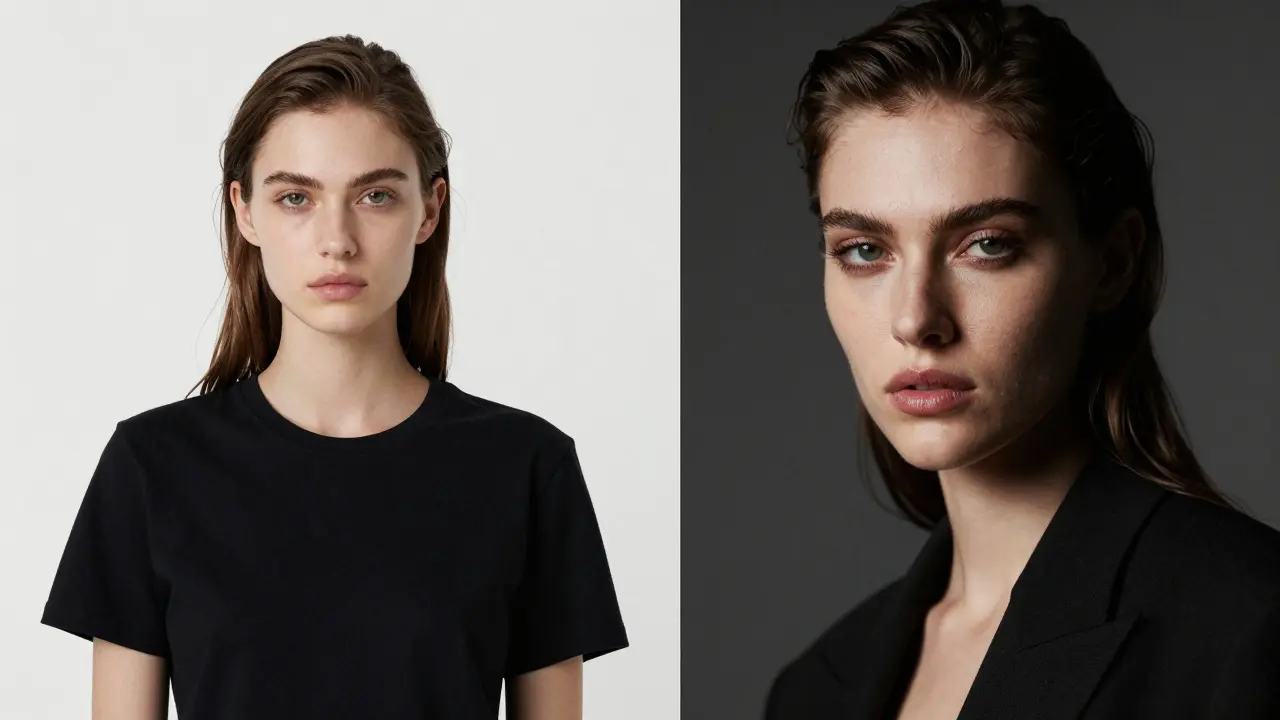
It depends on your skill level, but generally, yes. Camera flashes can "wash out" your face, making you look flat. A professional knows how to apply makeup specifically for photography-emphasizing your features without making it look like a mask. However, for "natural" or "digitals" looks, agents actually prefer very little to no makeup.
How often should I update my headshots?
You should update your photos whenever your look changes significantly. This includes a new haircut, a change in hair color, or significant weight changes. For most models, a refresh every 6 to 12 months is standard to keep their portfolio current.
What should I wear to a modeling headshot session?
Stick to the basics. Neutral colors like black, white, or grey are best because they don't distract from your face. Avoid heavy patterns, large logos, or neon colors. A simple well-fitting t-shirt or a tank top is usually the gold standard for agency submissions.
Can I use selfies for my first agency application?
Actually, many agencies prefer "digitals" (simple, unedited photos) over overly processed professional shots for a first impression. However, these aren't selfies. Have a friend take a clear photo of you against a white wall in natural light. Once you're signed, the agency will often help you find a photographer for your official headshots.
What is the difference between a headshot and a beauty shot?
A headshot is a natural representation of you. A beauty shot is more stylized, often involving heavier makeup, a specific theme, or more artistic lighting. Headshots get you the interview; beauty shots show you can handle a high-end cosmetics or jewelry campaign.
Ready to start your career? Research a few local photographers, prepare your neutral outfits, and get those photos taken!