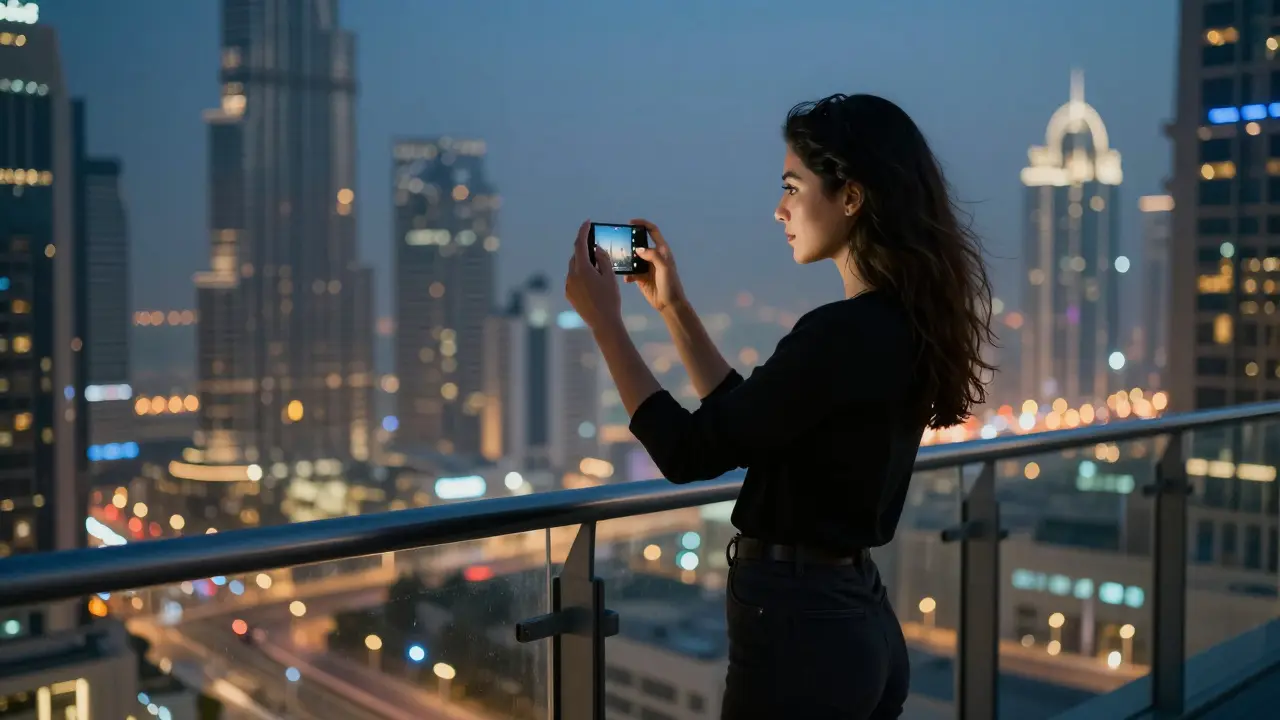
Have you noticed your feed looks different lately?
You scroll through photos of Dubai skyscrapers, fashion runway shots, and lifestyle updates, but something feels off. It isn't just you. We are living in the middle of March 2026, and the digital world has shifted beneath our feet. Many creators are asking a critical question right now. Is Instagram a photo-sharing and social networking service owned by Meta Platforms, Inc. actually losing its grip on our attention?
The Short Answer
No, the app is not dead. However, its role in our daily lives has changed significantly over the last five years. In 2021, Insta was mostly about static images. Today, the platform behaves more like a video library mixed with a social network. The numbers tell the real story here. Daily active users have plateaued slightly compared to the explosive growth of the early twenties, yet they remain massive globally.
For aspiring models and established influencers in regions like Dubai, the game has changed from quantity to quality. You cannot simply post a selfie and expect thousands of likes anymore. The algorithms have become smarter about what keeps people watching versus what makes them scroll past quickly.
Why the Confusion Exists
There are two conflicting narratives floating around the industry. One side claims everyone is moving to newer apps. The other insists the giant still stands tall. Both sides hold a piece of the truth.
We see a decline in organic reach for businesses that do not pay for ads. If you run a Fashion Agency a business representing models for brands, posting standard promotional content gets fewer eyes than before. This feeds the rumor that the platform is failing. The reality is that the platform prioritizes different types of engagement.
Engagement metrics are the currency of the realm. Likes used to matter the most. Now, comments, saves, shares, and watch time drive visibility. This shift forces creators to produce better content rather than just more frequent posts. It creates a higher barrier to entry, which naturally filters out low-effort accounts.
The Shift to Video Content
By 2026, Reels are not just a feature; they are the backbone of discovery. If you want to be seen by people who do not follow you, video is non-negotiable. Static photo grids get very little distribution unless you already have a loyal following.
This change impacts Instagram Models individuals who build careers through visual content creation on social platforms differently than traditional models. You need to show personality, movement, and storytelling within fifteen seconds. A portfolio headshot is less valuable than a thirty-second clip showing your walk, style, and energy.
The user behavior has also shifted toward consumption rather than interaction. People spend hours watching videos, but fewer people take the time to type a comment. This creates an illusion of lower activity even though total time spent on the app remains high. Brands notice this because conversion rates drop unless the content feels native and authentic.

Competition from New Players
You cannot discuss the future of social media without mentioning the challengers. TikTok remains the king of short-form video, especially among younger demographics. They grew faster during the pandemic years and have held onto their momentum.
However, the dynamics in places like the United Arab Emirates are unique. Snapchat holds strong loyalty in this region due to cultural preferences and ephemeral messaging. Then there is the rising star, Threads, which tries to compete directly with Twitter or X for text-based conversations. These options fragment the audience.
If you rely solely on one channel, you risk instability. Smart creators in 2026 operate a multi-platform strategy. They film content once, adapt the format slightly, and distribute across multiple networks to mitigate risk.
| Platform | Best For | Reach Potential | Audience Age |
|---|---|---|---|
| Lifestyle, Fashion, Visual Storytelling | High for Followers, Medium for New Reach | 18-35 | |
| TikTok | Viral Growth, Entertainment, Behind-the-Scenes | Very High for Viral Spikes | 16-24 |
| Snapchat | Private Updates, Regional Connection, Real Moments | Low Public, High Private Retention | 18-30 |
| Threads | Text Discussions, News, Community Building | Medium, Depends on Conversation Quality | 20-45 |
Monetization Changes
Money moves differently now. Direct ad revenue sharing programs exist, but they favor consistent video uploaders. Brand deals are becoming the primary income source for successful influencers. However, brands are more selective.
They demand detailed analytics on audience demographics. If your followers look fake or inactive, a luxury car brand in Dubai will pass. Authenticity drives conversions. Micro-influencers with smaller but highly engaged audiences often command higher fees per post than celebrities with millions of passive viewers.
This environment benefits serious professionals. It clears out accounts focused purely on vanity metrics. As a model, you must treat your presence like a small business. Keep records, track insights weekly, and adjust your posting times based on when your specific audience is online.
Maintaining Visibility Without Burning Out
Burnout is the silent killer of creativity. Posting three times a day used to be the advice in 2020. It is outdated now. Consistency matters more than frequency. Posting one high-quality reel per day is better than three mediocre photos.
Use tools to schedule ahead. There are many management platforms available that allow you to queue posts weeks in advance. This helps manage mental load. Also, do not fear taking breaks. Your audience understands life happens. A month-long hiatus can sometimes refresh interest.
Networking within the physical world complements digital efforts. Attending events like Dubai Fashion Week or local gallery openings builds connections that translate back to digital support. When people know you offline, they care more about your online presence.

What Brands Are Looking For
Marketing teams have tightened their budgets. They do not want just a face for the campaign anymore. They want advocates. A model who understands the product and can explain why it works gets hired more often than one who simply looks good holding it.
Diversity is another factor. Brands seek representation that reflects the real world. Generic beauty standards are evolving toward inclusivity. In a global hub like Dubai, diversity is natural. Embrace it in your portfolio. Show different styles, contexts, and settings.
Video testimonials are also gaining traction. Instead of a polished image, a brand might ask for a raw, thirty-second review filmed on your phone. Authenticity beats perfection here. It builds trust with potential customers.
Practical Steps for 2026 Success
- Analyze your insights weekly. Identify top-performing formats.
- Prioritize video content over static images for growth.
- Engage actively in comments to signal community health to the algorithm.
- Cross-promote content on TikTok or YouTube Shorts to funnel traffic.
- Foster relationships with peers for collaboration opportunities.
Success requires patience and adaptability. Do not chase viral fame alone. Build a community. A group of five hundred true fans who buy everything you recommend is better than ten thousand casual scrollers.
Looking Ahead
The landscape will continue to evolve. Artificial Intelligence is becoming part of content creation. Some worry this devalues human effort. Others say it boosts productivity. Striking the balance involves using AI for planning while keeping the actual execution personal and genuine.
Privacy settings may tighten further. Expect changes in how data is shared between advertisers and creators. Staying compliant protects your long-term standing.
Will Instagram disappear soon?
Unlikely. Meta owns the ecosystem including WhatsApp and Facebook. The app has deep infrastructure and user habit loops. While features change, the brand remains dominant for at least the next decade.
Is it too late to start as an influencer in 2026?
No. Every year new creators emerge. Niches change constantly. Finding a gap where your unique voice fits is possible if you stay updated on emerging trends.
How much time should I spend creating content?
Quality beats quantity. Two hours of focused production yields better results than six hours of scattered editing. Aim for consistency, like three days a week of dedicated work.
Does organic reach really still exist?
Yes, but it relies heavily on engagement and video retention. If people watch your full video and interact, the algorithm pushes it wider. Paid promotion helps, but is not mandatory.
Should I switch entirely to TikTok?
Not necessarily. Different demographics hang out on different apps. Using both maximizes exposure. Use each platform for its strengths.
Navigate these waters carefully. The platform is alive, but the rules have been rewritten.