Model Industry Origins: How Dubai’s Modeling Scene Really Started
When you think of the model industry origins, the roots of professional modeling as a global trade, shaped by cultural shifts, economic demand, and media evolution. Also known as fashion modeling history, it doesn’t begin in Paris or Milan—it began where money met visibility, and Dubai became one of the fastest-growing hubs. This isn’t about runway shows or magazine covers. It’s about how a city built on luxury turned modeling into a high-stakes business, not just a career.
Back in the early 2000s, Dubai didn’t have modeling agencies like New York or London. Instead, it had expats, influencers, and event promoters who needed faces for product launches, mall ads, and private parties. The first real model agencies Dubai, formal organizations that scout, train, and book models for commercial and fashion work in the UAE. Also known as model scouting firms, they started small—often run by former models or photographers who knew who to call when a brand needed someone who looked expensive. These weren’t agencies with glossy brochures. They were WhatsApp groups, private Instagram DMs, and word-of-mouth referrals. The pay? Often cash. The rules? Never written down. And the demand? Always rising.
Then came the social media boom. Suddenly, anyone with good lighting and a filter could be called a model. But the real shift happened when brands stopped chasing skinny silhouettes and started asking for plus-size modeling, a growing segment of the fashion industry that hires models with diverse body types, especially sizes 12 and up, to represent real customers. Also known as body-inclusive fashion, it forced Dubai’s scene to adapt. Agencies had to stop rejecting women based on weight and start looking at presence, confidence, and how clothes moved on the body. Today, you’ll find plus-size models walking for local boutiques, starring in skincare ads, and even headlining luxury hotel campaigns. The old standards didn’t vanish—they just got louder competition.
What you won’t hear in most articles is how much of Dubai’s modeling world is built on discretion. Many models don’t list their real names. Agencies don’t publish rosters. And clients? They often pay in cash or through shell companies. The industry thrives because it’s hidden—but it’s not illegal. It’s just quiet. That’s why the posts below aren’t about glamour. They’re about survival, strategy, and the real people behind the lens.
What follows isn’t a list of top models or best agencies. It’s the raw, unfiltered truth—from how to break in without connections, to what happens when a client crosses a line, to why some models quit after one job. You’ll read about pay rates that shock you, legal gray zones no one talks about, and the quiet rebellion of models who refused to fit the mold. If you’ve ever wondered how this world really works, you’re looking at the right place.
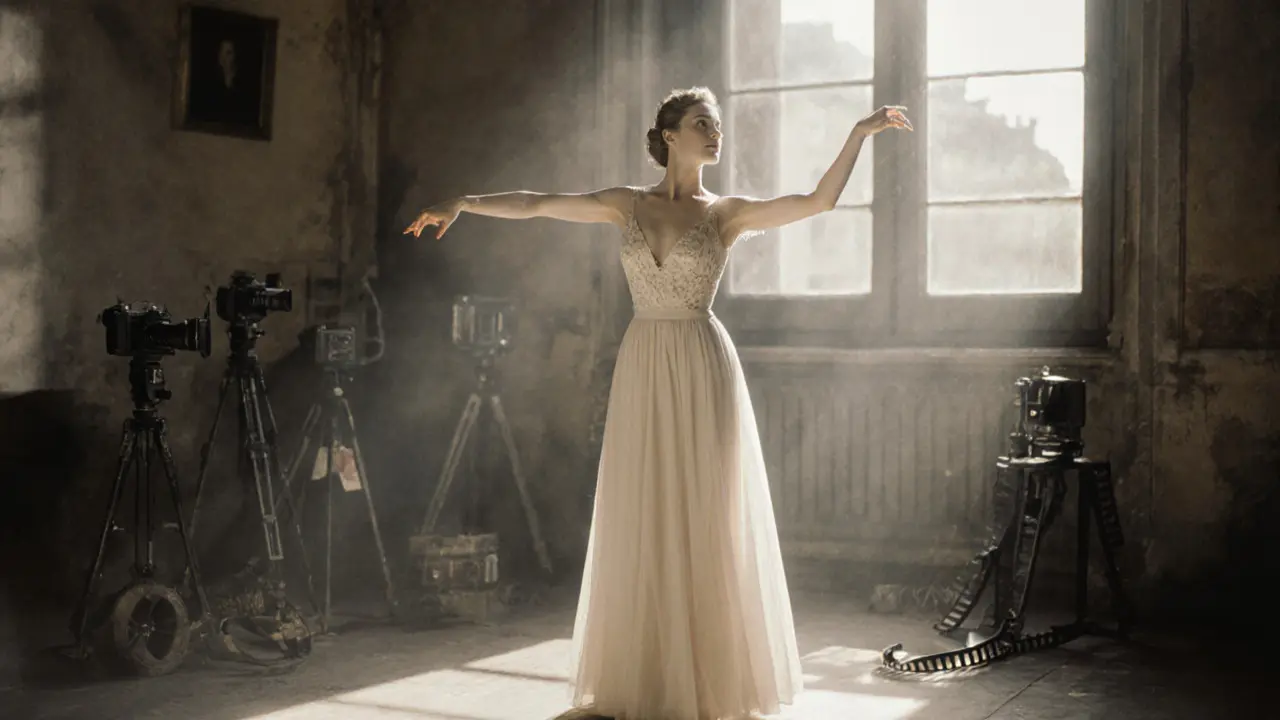
Who Was Really the First Supermodel? The Truth Behind Fashion’s Original Icon
Lisa Fonssagrives, not Cindy Crawford or Naomi Campbell, was the first supermodel-reshaping fashion in the 1940s and 50s with elegance, influence, and groundbreaking pay. Discover why she’s the true origin of the supermodel era.