Model Body Standards: What Really Matters in Dubai's Fashion Scene
When we talk about model body standards, the unspoken rules that shape who gets hired in fashion and advertising. Also known as fashion industry body requirements, it's not about being the thinnest—it's about how well a body fits the clothes, the brand, and the moment. Dubai’s scene doesn’t follow global trends blindly. Here, curves, age, and strength matter just as much as symmetry. You won’t find one cookie-cutter body type on a Dubai runway. Instead, you’ll see women in their 40s modeling swimwear, plus-size models carrying luxury labels, and athletes with muscle tone walking for high-end brands. The old idea that models must be under 120 pounds? That’s fading fast.
What’s driving this change? Brands in Dubai are chasing real people, not just perfect proportions. plus-size model weight requirement, the measurements and fit criteria agencies use instead of scale numbers. Also known as size inclusivity in fashion, it’s not about a number on a scale—it’s about a 36-28-40 frame fitting a dress perfectly, or a size 18 looking powerful in a one-piece bikini. Agencies care more about how clothing drapes than how much you weigh. And when it comes to Kendall Jenner weight, the specific stats often cited but rarely understood in context. Also known as celebrity body metrics, it’s just one data point—5’10" and 125 lbs—but her strength, posture, and discipline are what make her stand out, not the scale. Comparing yourself to her isn’t useful. It’s like comparing your car to a Formula 1 racer—different purpose, different design.
Then there’s bikini body after 40, a growing demand for mature, toned, and healthy physiques in swimwear campaigns. Also known as aging gracefully in modeling, it’s not about looking 25—it’s about looking confident, strong, and real. Dubai’s luxury brands are hiring women over 40 because they represent the customers buying their products. These women aren’t hiding their stretch marks or cellulite—they’re owning them. And mature models Dubai, the rising group of women over 40 dominating swimwear and wellness ads in the UAE. Also known as older fashion models, they’re not exceptions—they’re the new norm. The industry is finally catching up: beauty isn’t youth. It’s presence. It’s authenticity. It’s the way someone carries themselves in a bikini on a Dubai beach, not the number on a measuring tape.
What you’ll find in the posts below isn’t a list of perfect bodies. It’s the truth behind the scenes: how agencies pick models, why some women get booked over others, and what really makes a body work for a camera in this city. You’ll see how fitness after 40 isn’t about shrinking—it’s about strengthening. How a model’s confidence matters more than her waist size. And why the most beautiful body in Dubai isn’t the one that fits a magazine’s old standard—it’s the one that fits the moment, the brand, and the person wearing it.
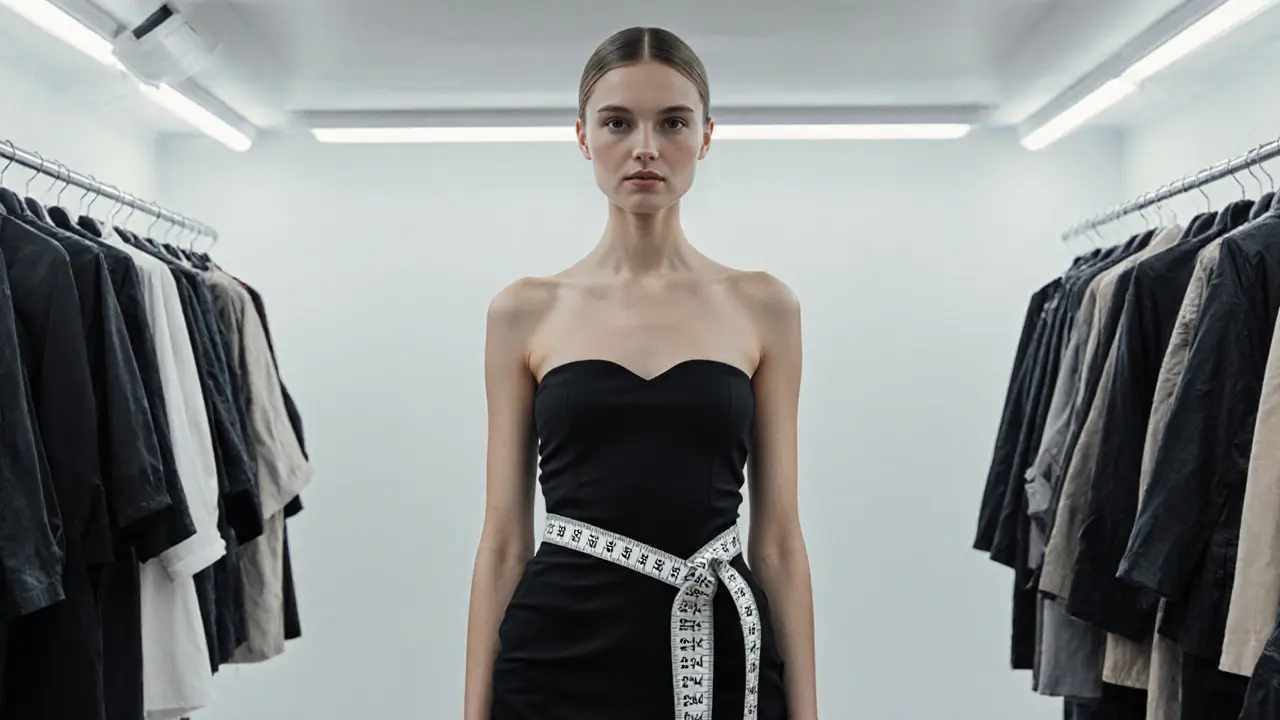
What Is the Average Waist Size for a Model? Real Numbers Behind the Look
The average waist size for a model is 22-26 inches, but these numbers reflect industry standards, not health. Learn how models achieve these sizes, regional differences, and why the standards are changing.