First Supermodel: Origins, Impact, and the Real Faces Behind Fashion's Biggest Icons
When we talk about the first supermodel, a term used to describe the earliest models who achieved global fame, celebrity status, and unprecedented earning power in the fashion industry. Also known as fashion icon, it refers to the women who broke away from being just faceless mannequins and became household names—earning contracts, magazine covers, and cultural influence long before social media existed. This wasn’t just about looking good. It was about personality, presence, and power. The first supermodel didn’t just walk a runway—she changed how the world saw beauty, money, and fame in fashion.
The name often tied to this title is Twiggy, a British model who rose to fame in 1966 at age 16, defined by her slender frame, large eyes, and youthful energy. Also known as the face of the 60s, she shattered the previous standard of tall, curvy models and made androgynous, childlike looks desirable worldwide. But Twiggy wasn’t alone. By the late 70s and 80s, the scene exploded with women like Naomi Campbell, a trailblazing Black model who became the first to grace the covers of French Vogue, Time, and Newsweek. Also known as the queen of the catwalk, she didn’t just walk for top designers—she demanded respect, broke racial barriers, and turned modeling into a high-stakes career. Then came Gisele Bündchen, a Brazilian model who redefined the 2000s with her natural beauty, record-breaking contracts, and ability to dominate both runways and ad campaigns. Also known as the highest-paid model ever, she proved that a supermodel could be a global brand, not just a face on a billboard. These women weren’t just lucky. They had drive, discipline, and an understanding of how to use their image—something today’s models still study.
The legacy of the first supermodel isn’t just in old photos or runway footage. It’s in the way modeling works today—how agencies negotiate seven-figure deals, how brands choose faces over just bodies, and how models now build empires with social media, books, and product lines. The rules changed because they forced the industry to change. You can’t talk about Dubai models today without seeing echoes of those early icons: the confidence, the professionalism, the quiet power behind every smile and glance.
What you’ll find in the posts below isn’t just a list of names or old headlines. It’s a real look at how modeling works now—in Dubai, in luxury, in secrecy, and in the spaces between the photos. From how much a beginner model earns to what agencies really look for, from legal gray zones to the quiet power of a well-placed companion—these stories connect back to the same foundation: the first supermodel didn’t just change fashion. She changed the game.
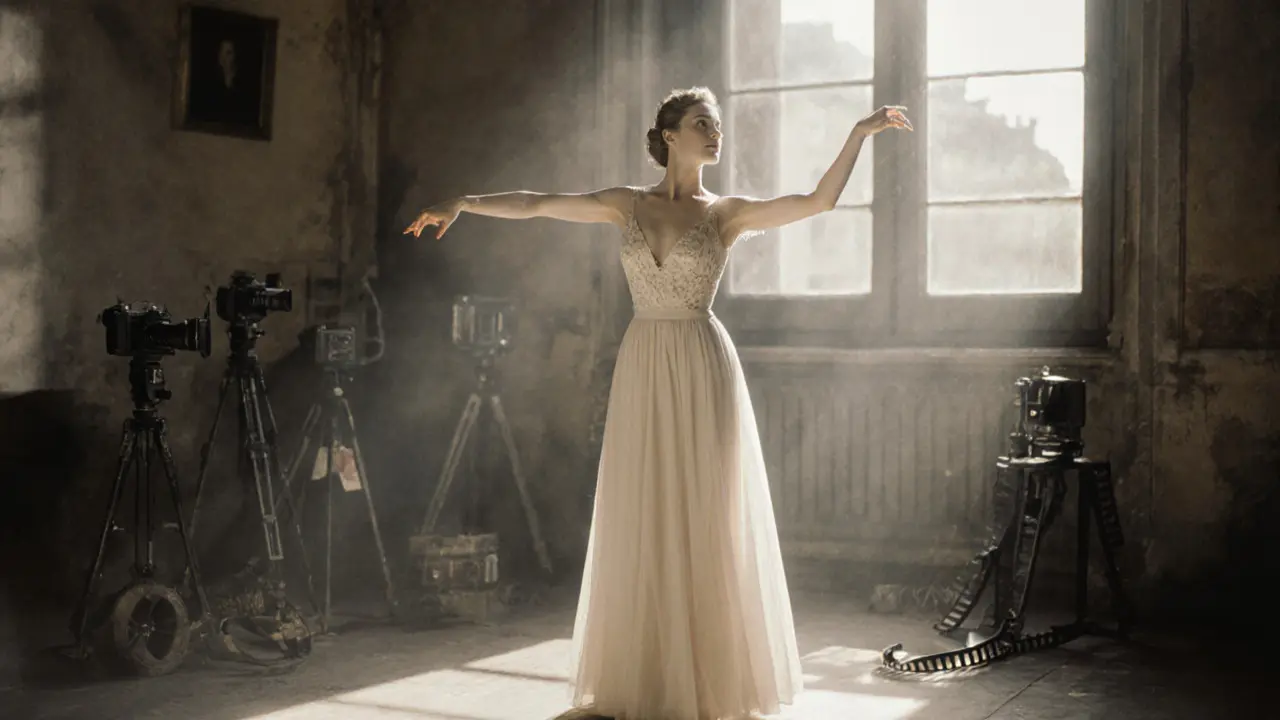
Who Was Really the First Supermodel? The Truth Behind Fashion’s Original Icon
Lisa Fonssagrives, not Cindy Crawford or Naomi Campbell, was the first supermodel-reshaping fashion in the 1940s and 50s with elegance, influence, and groundbreaking pay. Discover why she’s the true origin of the supermodel era.