Early Fashion Models: Origins, Standards, and How They Shaped Today's Industry
When you think of early fashion models, the first professional figures who walked runways and posed for catalogs in the late 1800s and early 1900s. Also known as fashion mannequins, they weren’t celebrities—they were shop assistants, dressmakers, or women from wealthy families hired to display clothing in stores and at fashion houses. These women didn’t have agents, social media, or paychecks like today’s models. Their job was simple: make clothes look good. But their presence quietly built the foundation for everything that came after.
The standards back then were strict: tall, thin, pale, and quiet. Agencies didn’t exist yet, but fashion modeling history, the evolution of who got to represent beauty in fashion was already being written. Designers like Charles Frederick Worth in Paris picked women who fit a narrow ideal—no curves, no personality, just a blank canvas. That ideal stuck for decades. Even in the 1950s and 60s, when models like Twiggy and Jean Shrimpton became famous, the rules barely changed. You had to be under 120 pounds, over 5’8”, and look like you never ate a meal. These weren’t just preferences—they were requirements. And they excluded almost everyone else.
But something started shifting. The rise of plus-size modeling, a movement that challenged the idea that only one body type could be beautiful didn’t come out of nowhere. It was a reaction to decades of exclusion. Today’s brands that hire models of all sizes, skin tones, and ages are responding to a demand that’s been building since the 1990s. It’s not just about being inclusive—it’s about being realistic. The modeling agencies, organizations that once dictated who could work and who couldn’t are finally losing control. Clients now care more about how a model connects with an audience than how many pounds they weigh.
What’s clear now is that early fashion models weren’t just figures in gowns—they were the first bricks in a wall that’s still being rebuilt. The rules they lived by shaped how we think about beauty, but they also made room for rebellion. Today, in Dubai and beyond, models aren’t just selling clothes—they’re selling confidence, authenticity, and change. And that’s why the stories you’ll find below matter. They don’t just talk about today’s scene—they show you how we got here, who got left out, and who’s finally stepping into the light.
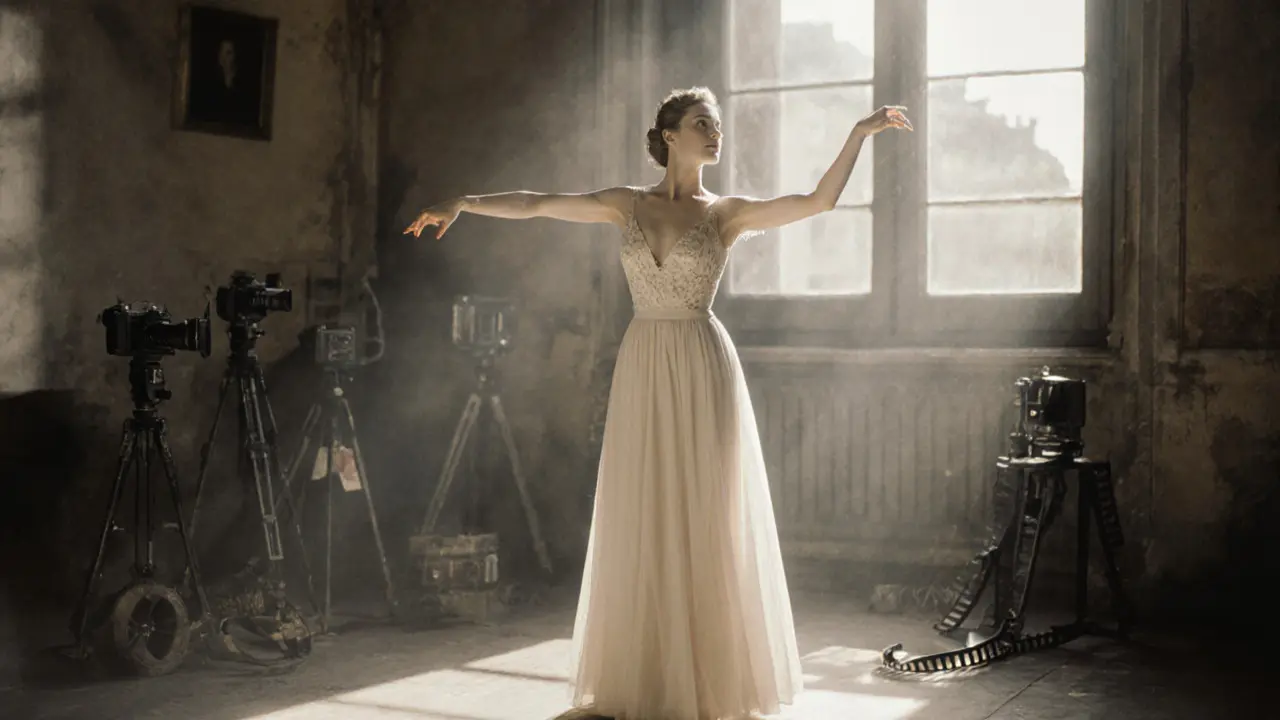
Who Was Really the First Supermodel? The Truth Behind Fashion’s Original Icon
Lisa Fonssagrives, not Cindy Crawford or Naomi Campbell, was the first supermodel-reshaping fashion in the 1940s and 50s with elegance, influence, and groundbreaking pay. Discover why she’s the true origin of the supermodel era.