Plus-Size Runway Models: Real Standards, Pay, and How to Break In
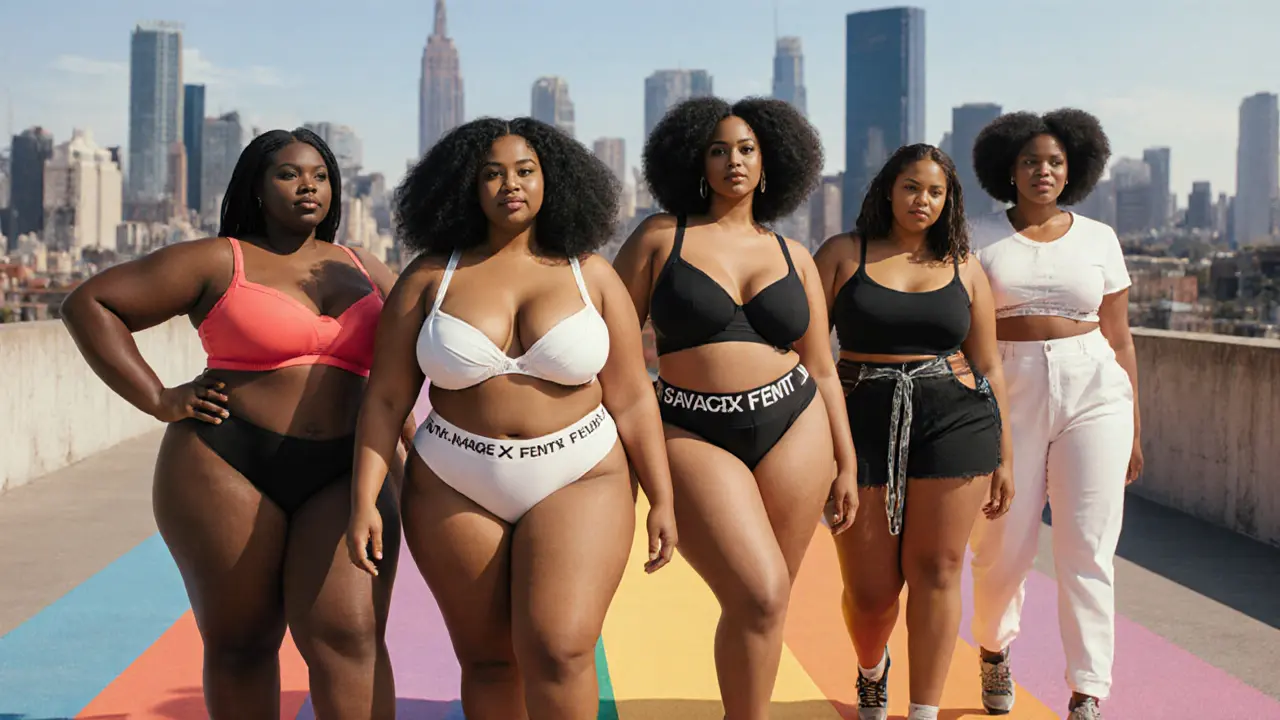
When we talk about plus-size runway models, models who represent fuller body types on high-fashion runways and luxury campaigns. Also known as curve models or inclusive models, they’re reshaping what beauty looks like in fashion—not by fitting into old molds, but by smashing them. This isn’t about being ‘bigger’—it’s about being visible, powerful, and hired for who you are, not what you’re told to be.
The fashion industry used to say only one body type could walk a runway. That’s dead. Today, brands like Savage X Fenty, Aerie, and even high-end houses like Chromat and Torrid are booking plus-size models, professional models with sizes 12 and up, often measured by bust-waist-hip proportions rather than weight because they sell. Agencies don’t care if you weigh 180 or 220—they care if you carry clothes with confidence, if your posture commands attention, and if your face tells a story. The model size requirements, the actual measurements and proportions brands look for, not just a number on a scale vary by designer, but most want a waist under 36 inches and a hip measurement that balances the frame. No two bodies are the same, and that’s the point.
And it’s not just about walking. body diversity in fashion, the movement to include all shapes, sizes, and backgrounds in advertising and runway shows is driving real change. Brands are finally realizing that 67% of women in the U.S. wear size 14 or above—and they’re not buying from brands that ignore them. That’s why you’re seeing more inclusive fashion, designs made for real bodies, not just runway ideals on runways in New York, Milan, and even Dubai. These models aren’t just filling a quota—they’re earning six-figure deals, landing magazine covers, and becoming faces of global campaigns.
But here’s the truth: getting hired isn’t about being the ‘largest’ model. It’s about being the most professional. Agencies want someone who shows up on time, knows how to pose, can take direction, and doesn’t break down over a bad lighting setup. Your portfolio needs to show you in different poses, different outfits, and different moods—not just one flattering angle. You don’t need a $5,000 shoot. A good photographer, natural light, and confidence will get you further than any studio in Dubai.
If you’re curious about breaking in, start by researching agencies that actually book plus-size runway models—not just ones that say they do. Look at who’s walking for major brands right now. Notice the differences in body shape, skin tone, and style. That’s the new standard. There’s no single ‘right’ body. There’s only the body you have—and the power you bring to it.
Below, you’ll find real stories, hard numbers, and no-fluff advice from models who’ve walked the line—literally and figuratively—between rejection and recognition. Whether you’re thinking of stepping onto a runway, building a portfolio, or just wondering how the industry really works, these posts cut through the noise.
What Is the Weight Limit for Plus-Size Models?
There's no universal weight limit for plus-size models. Sizes range from 12 to 30+, but agencies care more about proportions, confidence, and fit than scale. Discover what really matters in today's inclusive fashion industry.