Plus-Size Modeling Standards: What Really Matters in 2025
When we talk about plus-size modeling, a growing segment of the fashion industry that celebrates bodies outside traditional size norms. Also known as curve modeling, it’s no longer a niche—it’s a movement driven by real demand, real clients, and real models who refuse to shrink themselves to fit old rules. In Dubai, where luxury and image go hand-in-hand, the shift is happening fast. Brands aren’t just adding size-inclusive lines—they’re hiring models who look like the women who actually buy their clothes.
It’s not about the number on a tape measure. A plus-size model, a professional who represents sizes 12 and up in fashion campaigns, runway shows, and editorial work. Also known as curve model, it’s a role defined by presence, confidence, and the ability to make clothing look desirable—no matter the size. The old standard? A size 8. The new one? A size 18, 22, or even 26, if the model owns the look. Agencies in Dubai now actively scout for women with strong posture, expressive faces, and the kind of charisma that turns heads on a busy Sheikh Zayed Road. Pay? It varies. A beginner might earn 800 AED an hour for a commercial shoot. A top name with a strong social following can command 5,000 AED or more for a single day’s work—especially if they’re representing a local luxury brand.
What’s driving this change? body diversity in fashion, the push to include all body types in advertising and media, not just as token gestures but as core to brand identity. It’s not about pity or politics—it’s about profit. Brands that ignore this trend lose sales. Dubai’s market is global, and global customers are demanding to see themselves reflected. That’s why you’re seeing more curvy models in ads for swimwear, lingerie, and even high-end jewelry. The size inclusivity, the practice of designing, marketing, and casting across a full range of body sizes without exclusion isn’t optional anymore. It’s expected.
And the requirements? They’re simpler than you think. You don’t need a perfect waist-to-hip ratio. You don’t need to be a certain height. You don’t need to look like a celebrity. You just need to show up as yourself—with confidence, professionalism, and a portfolio that proves you can make clothes look good. Agencies here care more about how you carry yourself in front of the camera than what’s on the scale. Some even prefer models who don’t fit the ‘perfect’ mold because they bring authenticity.
There’s still work to do. Some casting directors still hesitate. Some clients still ask for ‘slimmer options.’ But the tide is turning. More local designers are launching extended size lines. More influencers are calling out outdated standards. And more women in Dubai are stepping forward—not to change their bodies, but to change the industry.
What you’ll find below are real stories, real advice, and real insights from models, agencies, and clients who are living this shift. No fluff. No myths. Just what’s actually happening on the ground in Dubai’s evolving fashion scene.
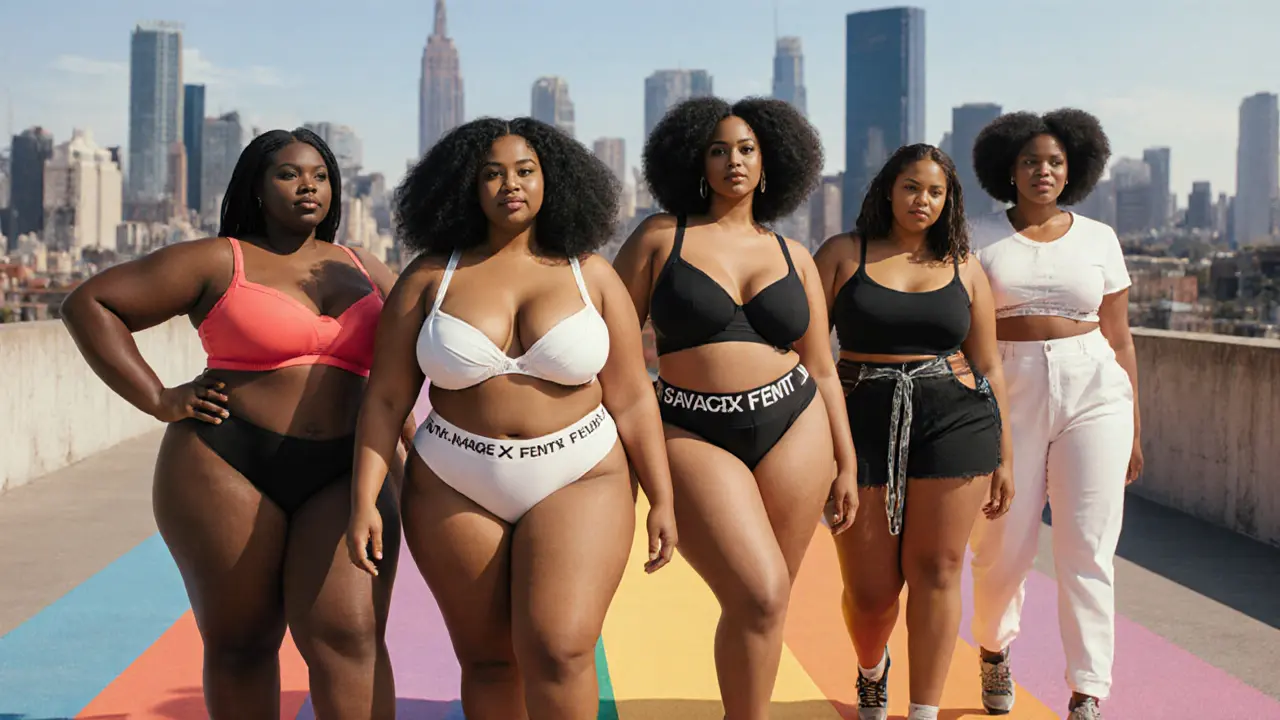
What Is the Weight Limit for Plus-Size Models?
There's no universal weight limit for plus-size models. Sizes range from 12 to 30+, but agencies care more about proportions, confidence, and fit than scale. Discover what really matters in today's inclusive fashion industry.
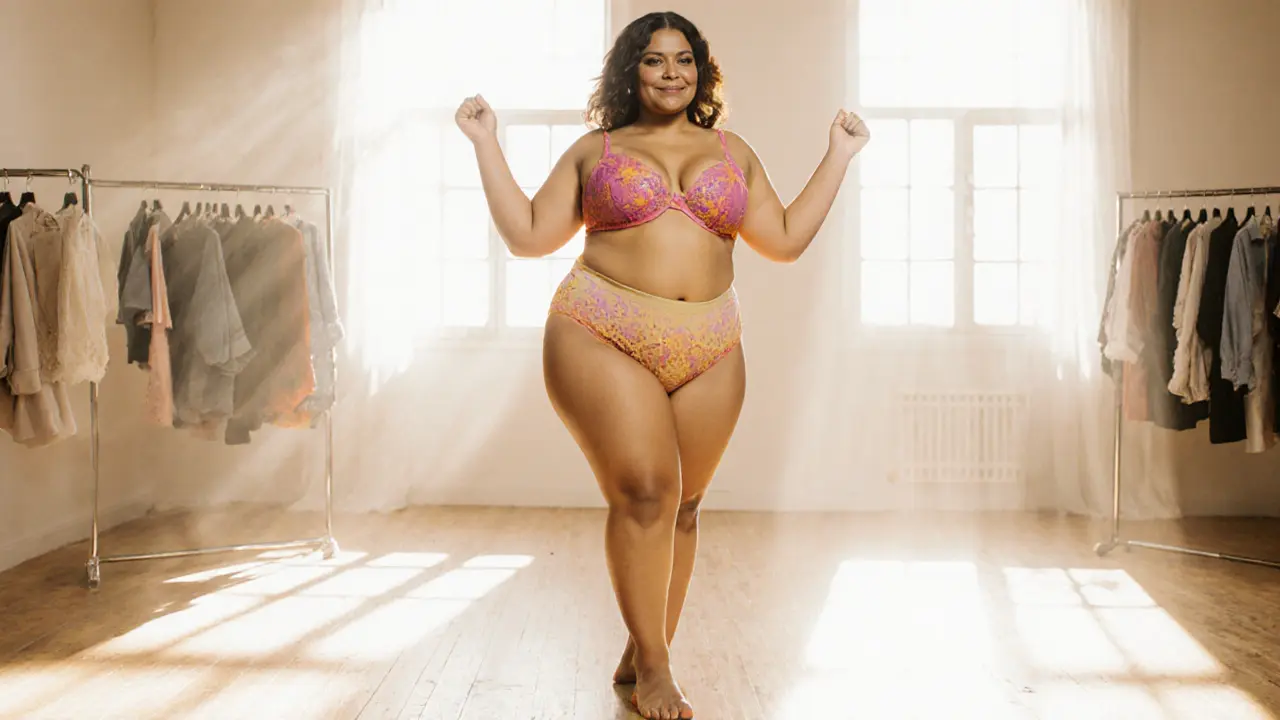
What Is the Weight Requirement for a Plus-Size Model?
There's no set weight requirement for plus-size models-brands care about measurements, proportions, and how clothing fits. Learn what really matters in plus-size modeling today.