Model Size Guidelines: What Really Matters in Plus-Size and Curve Modeling
When it comes to model size guidelines, the standards that define who gets booked in fashion, commercial, and editorial work. Also known as model size requirements, these aren't fixed rules—they're shifting fast. What used to be a narrow range of sizes is now a wide, diverse spectrum, and the industry is catching up.
The biggest myth? That there’s a universal weight limit for plus-size models, a number that determines if someone qualifies for runway or catalog work. Also known as plus-size model weight limit, this idea is outdated. Agencies in Dubai and beyond care more about proportions, how clothes drape, and how a model carries themselves. One model might be a size 14 with strong shoulders and a defined waist; another could be a size 26 with curves that fill out a dress perfectly. Neither is "too big"—they’re just different. The real plus-size model, a model who wears sizes 12 and up and represents body diversity in fashion. Also known as curve model, this role isn’t about fitting into a box—it’s about breaking it. You don’t need to be a certain weight. You need presence. You need confidence. You need to look like someone real—someone the audience can see themselves in.
And it’s not just about size. It’s about context. A curve modeling, a niche within fashion that celebrates fuller figures in clothing designed for real bodies. Also known as plus-size modeling, this field thrives in markets like Dubai, where luxury brands are finally investing in inclusive campaigns. You’ll see these models in swimwear lines, lingerie ads, and high-end fashion editorials—not just in "plus-size" sections. The demand isn’t just growing—it’s exploding. Brands know that 70% of women don’t fit the old size 2-8 mold, and they’re hiring models who reflect that.
What you won’t find? A single number that says "this is the cutoff." Instead, you’ll find agencies asking for photos that show your shape from all angles. They want to see how you move, how you smile, how you own a room. The best model size guidelines, the real standards that guide casting decisions in today’s fashion industry. Also known as body diversity in fashion, these are about authenticity, not averages. If you’re curvy, tall, broad-shouldered, or carry weight differently—your type is in demand. You don’t need to change your body. You just need to show up, be yourself, and let the right people see you.
Below, you’ll find real stories from models who broke the mold, tips from agencies on what they actually look for, and clear breakdowns of pay, portfolios, and how to start—even if you’ve never been on a runway before. No fluff. No fake numbers. Just what works now in Dubai’s evolving scene.
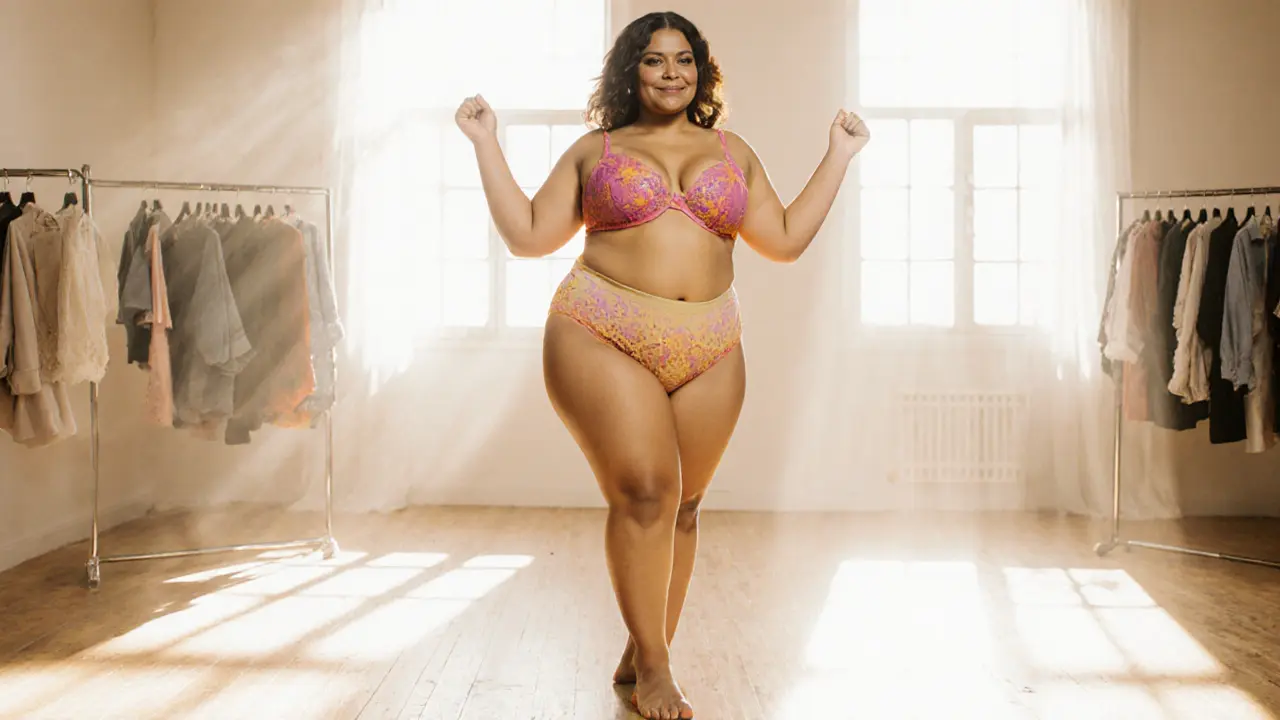
What Is the Weight Requirement for a Plus-Size Model?
There's no set weight requirement for plus-size models-brands care about measurements, proportions, and how clothing fits. Learn what really matters in plus-size modeling today.